
We've all seen those scraggly, lopsided, or overgrown evergreens looking like a hot mess in the landscape. Once an evergreen reaches that point, it can be a real challenge to correct the problem. But if you properly prune your evergreen trees and shrubs on the regular, they'll look their best for years to come.
Not sure what parts to trim, how much to cut off, or when's the best time to prune? We can help. Here's exactly what you need to know to prune a dozen of the most common landscape evergreens so they'll add decades of color and texture to your landscape.
Before you begin pruning, clean your pruning shears with isopropyl alcohol to avoid spreading diseases. Wipe down the blades again before moving on to trim a different plant.
Arborvitae
Fast-growing and tolerant of heavy pruning, arborvitae is best pruned in early spring. If heavy pruning is necessary, reduce a branch by no more than one-quarter of its length, making cuts only into live wood. New growth will emerge from buds along the pruned branch. Arborvitae can take annual shearing, too.
Related: 10 Best Evergreen Trees for Privacy and Year-Round Greenery
Azalea
Evergreen in warmer areas of the country, azaleas do best with light pruning (trimming off the branch tips). This encourages branching and more flower buds the next season. Prune plants right after they bloom in spring. Some young azaleas grow very rapidly and might require light pruning several times during the growing season to develop a dense, compact shape. Rejuvenate an overgrown azalea by cutting branches back by one-third their length before plants bloom in spring. Pruning before bloom directs valuable energy to boost new growth.
Boxwood
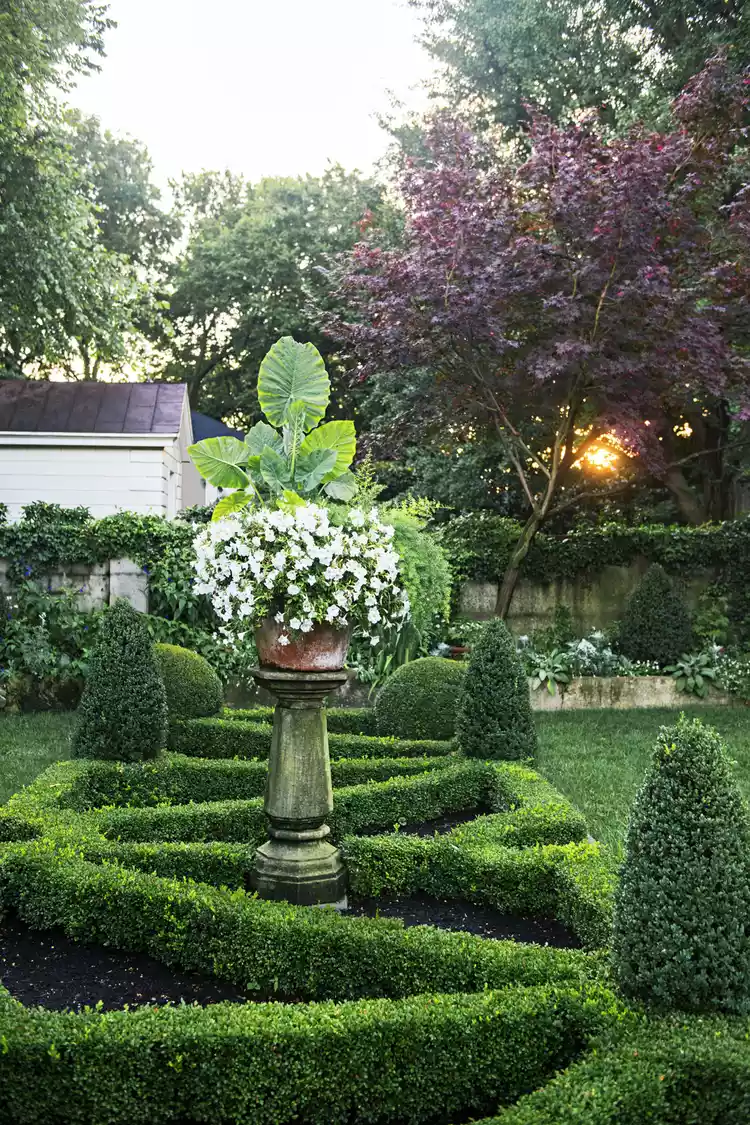
Thinning is key to maintaining a healthy boxwood plant. Dense growth in the interior of the shrub contributes to disease, and has the potential to create a leafy outer shell with many dead twigs in the center of the plant. In winter, thin boxwood by cutting overgrown stems back to the interior of the plant. Thin about one-third of the stems each year to maintain a healthy plant. Lightly prune the remaining two-thirds of the stems to create the desired size.
Camellia
Slow-growing camellias rarely need pruning. If the shrub is thin or lanky, encourage new growth by trimming individual branches back by no more than one-quarter their length. Cut just above a node, which looks like a small bump on the stem where new growth will appear. The best time to prune is right after the plant flowers.
Related: Why Camellias Are a Southern Favorite, Plus 6 Little-known Tidbits About the Flowering Shrubs
Cypress
For the most-natural form, reduce the size of the plant by cutting individual cypress branches back by no more than one-quarter their length. Cypress also tolerates light shearing if you want to modify the overall shape. Use hedge shears to create a formal shape, being careful to remove just a few inches of the branch tips. Prune cypress in spring or summer.
Holly
Exceptionally tolerant of heavy pruning, evergreen hollies are generally best cut back in late winter. The plant will actively re-grow in spring. Prune individual branches to achieve a more natural-looking shape. Shear the whole plant to give it a distinctive shape.
Juniper
Prune junipers in early spring before growth emerges. For the most-natural shape, lightly trim side branches to reduce their size, cutting especially-vigorous branches back to the trunk of the plant. All junipers develop a dead zone in the center of the plant, thanks to their dense branching; do not cut into this area. Junipers can be sheared, but be sure to leave some new growth on the plant and avoid the dead zone.
Pines
Pines produce new growth at their branch tips in spring. The tightly packed new growth is called a candle. To create a compact plant and maintain its size, pinch or prune each candle back by one-third to one-half its length. Don't prune pines back into woody stems because new growth won't develop there.
Pyracantha
Also called firethorn, pyracantha is a thorny evergreen shrub that produces spectacular clusters of berries in the fall. Prune in late winter or very early spring before plants flower. Cut individual branches back as needed to maintain size. Pyracantha also tolerates shearing and can be sculpted into a formal hedge.
Rhododendron
Because they are slow-growing evergreen shrubs, rhododendrons rarely need pruning. Reduce the size of a plant by cutting branches back by one-quarter their length right after plants bloom in spring. Severely-pruned plants might not produce flowers for one or two years.
Spruce
Prune spruce trees in spring. Reduce the length of individual branches by cutting each one back to a lateral branch, or a visible bud. Bottom branches on spruce trees may naturally die with age, and can be removed. Note: Firs are pruned using the same methods as spruce.
Related: What to Prune When in Your Garden for the Healthiest Plants
Yew
Slow-growing and long-lived, yews tolerate pruning and shearing well. To maintain size and natural shape, prune individual branches in late winter and again in early summer, as needed. If you are creating a formal hedge, shear in early summer after new growth emerges. Shear again in mid-summer if needed. Note: Hemlocks are pruned using the same methods as yews.
Basic Pruning Tips
Whether the plant is a needled evergreen (such as a pine or spruce), or a broadleaf evergreen (such as a rhododendron or camellia), pruning involves knowing how the tree or shrub grows and where the new growth originates. But no matter the type of plant, three pruning strategies always apply. First, trim away any dead branches, cutting back to live wood or the base of the plant. Next, cut off broken or damaged branches. Finally, remove crossing or rubbing branches to improve overall structure of the plant.