
First developed in Germany and Eastern Europe centuries ago, hugelkultur (pronounced hoo-gul-culture) is a classic permaculture and sustainable gardening technique that offers many benefits for home gardeners. Hugelkultur can be used to grow a variety of crops, including herbs, flowers, and vegetables. Additionally, because hugelkultur beds can be so compact, they can even work in small space gardens. Best of all, because hugelkultur gardens help reduce waste and lower your carbon footprint, installing a hugelkultur bed is a great way to make your home and garden much more eco-friendly.
What Is Hugelkultur?
The word hugelkultur translates into “mound culture,” an apt name for this process because hugelkultur gardens are raised beds made of a mound of logs and branches topped with compost, soil, and other natural materials. Like lasagna gardening, hugelkultur repurposes yard waste to create a rich garden soil that drains exceptionally well and provides nutrients for vegetables and flowers for many seasons to come.
Benefits of Hugelkultur Gardening
Whether you grow ornamental or edible gardens, hugelkultur can improve your gardening experience in a number of different ways, including:
- Less waste. Instead of tossing yard waste, like fallen branches and autumn leaves, in the trash, the hugelkultur gardening method repurposes these natural materials and reduces your home's waste output.
- Less watering. As the materials inside the hugelkultur mound decompose, they will naturally hold water like sponges, reducing the amount you'll need to water your plants over time.
- Less fertilizer. As the natural materials in a hugelkultur bed break down, they release nutrients into the soil, reducing the amount of extra fertilizer you'll need to apply.
- More ergonomic. Like other raised bed gardens, hugelkultur beds are built above the ground, so you won't need to bend over as far to tend them. This can be useful for preventing back strain and achy joints.
- Longer growing season. As the sticks, leaves, and logs used to build hugelkultur raised beds decompose, they naturally generate heat. This causes soil to warm up a bit faster in spring and may extend your growing season by a few weeks.
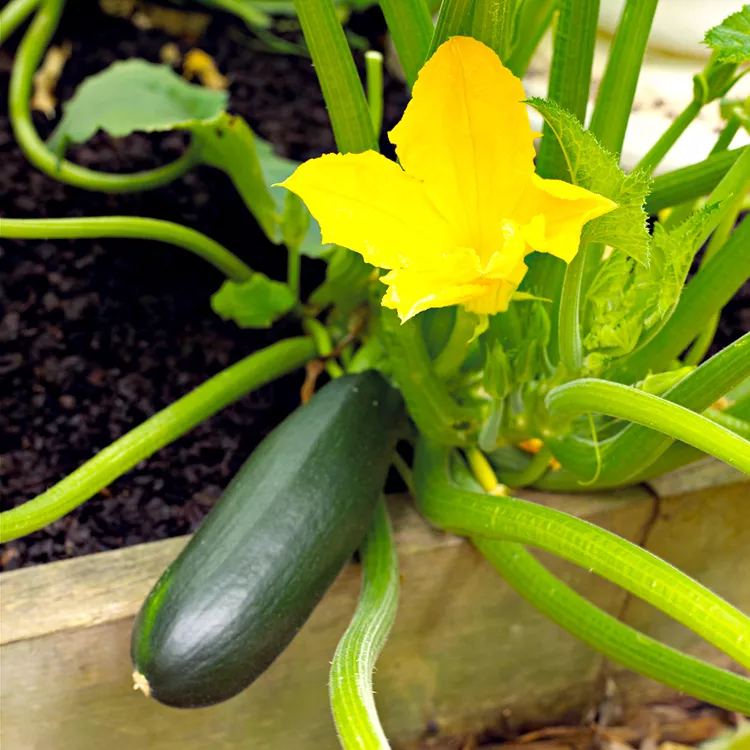
- Supports heavy feeding plants. Pumpkins, squash, and melons can be pretty demanding plants, but they will have all the nutrients they need when grown in the rich soil of a hugelkultur bed.
- Good for gardens with poor soil. Gardens rich in clay or sandy soil can be tricky for plants to grow in. But hugelkultur beds are built on top of existing soil, allowing you to grow a garden even with very poor soil.
- Small space friendly. You can grow on top and the sides of hugelkultur mounds, so you can pack even more plants into a limited growing space.
- No tilling needed. As the materials in hugelkultur beds degrade, air pockets open up in the soil, which can naturally aerate the soil without any need for tilling.
How to Make a Hugelkultur Garden
Hugelkultur gardens are simple to create and you can make them out of materials foraged right from your property. Build one or several of these eco-friendly gardens by following the steps below.
1. Select and mark out a spot.
Mark out an area in a sunny section of your yard where you’d like to build your garden. While you can make beds in different sizes, hugelkultur mounds that measure about 4 feet wide by 8 feet long are a good size for home gardens and the width is easy to reach across when weeding.
2. Clear the area.
Clear the area for your hugulkultur bed of any large debris, such as vegetation and rocks. Mow any existing grass down low to the ground.
3. Dig a trench.
Use a shovel to dig the area you marked out to a depth of 12 to 18 inches. This trench should be relatively level. Save any grass and soil you remove from this trench to use to build your mound.
4. Begin building the mound.
Start layering logs and larger branches from trees and shrubs into the base of the hole. As the mound gets taller, use increasingly smaller pieces of wood and plant debris. Continue adding material until you’ve built your mound to the height you’d like.
Hugel mounds can be built as high as you like, but mounds between 2 and 6 feet tall are common. Remember that mounds will sink and compress as their materials break down, and a 6-foot-tall mound can shrink to 2 feet high after a few years. Additionally, taller mounds will retain water and nutrients better than shorter ones and are less likely to become compacted over time.
Hugelkultur beds should be formed so that they’re wider at the bottom than at the top and you can make them even studier by weaving branches and twigs together and packing the materials in well.
5. Fill in air pockets.
Once you’ve formed the basic structure of your mound, fill any air pockets with fallen leaves, smaller twigs, grass clippings, compost, and other plant debris.
5. Cover the mound with soil.
Finally, cover the entire mound with about 6 inches of topsoil and wood chips or mulch. You can use the dirt you dug from the trench for this and any grass you removed from the area, but flip the grass over so the roots are facing up to keep it from sprouting.
6. Water well and wait.
Water your hugelkultur bed thoroughly so the organic matter can break down into a fertile raised bed for planting. Add water often for the first year to encourage the materials to decompose faster. Beds should be kept about as moist as a wrung-out sponge. If your hugelkultur mound begins to sprout mushrooms, it’s a good sign that it’s being watered enough.
What to Plant in a Hugelkultur Bed
The best time to build a hugelkultur garden is in autumn. The organic materials will have plenty of time to break down before spring to create rich garden soil for planting. Generally, hugelkultur beds built in autumn should be ready to plant in spring. However, because the wood hasn't broken down entirely yet, it may tie up some of the nitrogen in the mound. This is why many gardeners only plant peas, beans, and other plants that produce their own nitrogen in hugelkultur beds during the first growing season.
Once your hugelkultur garden is established, you can grow an array of edible and flowering plants on it, including heavy feeders like pumpkins. To save space, try sowing plants on the top and sides of the mound. If your hugelkultur bed shrinks after a few years, you can also add more material to your garden in autumn.
Because hugelkultur beds, unlike typical raised beds, don't require a fixed container to hold the materials that make up the mound, they aren't for everyone. Their natural and untamed look may not work for more structured landscapes where symmetry and clean lines are essential to the garden's overall look. Because they're essentially compost piles, focusing on the yield of these eco-friendly and waste-reducing garden plots rather than their visual appeal is helpful. Embracing the organic nature of hugelkultur gardens will result in beautiful flowers and tasty vegetables for you to enjoy,