Got Yellow Leaves on Tomato Plants? 9 Reasons Why and How to Fix It

1.2K
106
24
2025-11-15
Got Yellow Leaves on Tomato Plants? 9 Reasons Why and How to Fix It

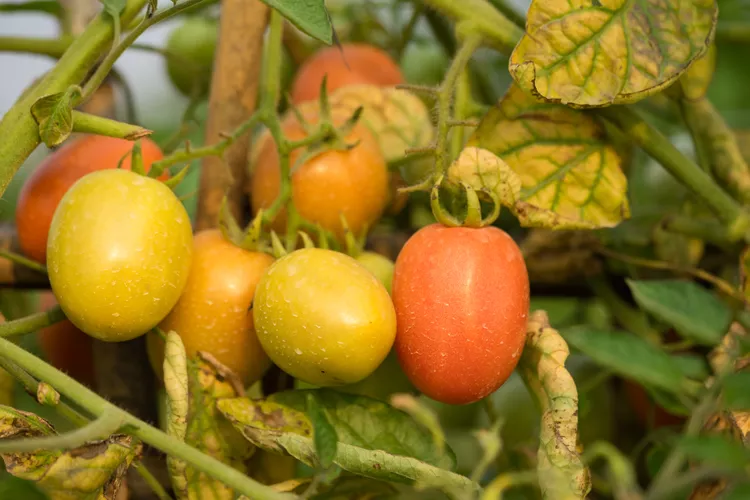
Yellow leaves on tomato plants are a sign that there's a problem. The causes are varied—including disease, pests, environment, and plant care. But there is good news. Yellow leaves on tomato plants can often be fixed (or at least managed). Use this guide to figure out what's happening with your plants and address the issue so you can still harvest plenty of sun-ripened tomatoes.

1. Transplant Shock

A few yellow leaves on tomato plants within a week or two of transplanting the seedlings is not uncommon. After spending weeks growing in a predictable and consistent greenhouse environment, the young plant is acclimating to the temperature swings, wind, and fluctuating moisture levels. Some slight yellowing is a common response.    

What to do: Provide adequate water. Seedlings thrive in soil that is moist, but not wet. They will establish an extensive root system within 4 weeks or so. At that time, transition to watering plants deeply once or twice a week during dry periods.  Also, limit seedling stress by protecting young plants from cold temperatures. If nighttime lows drop below 45°F, cover plants with a bucket or box. Uncover in the morning. 

2. Nutrient Deficiency

Tomato plants grow fast and that growth requires plentiful nutrients. Yellow leaves on tomato plants often happen when the plant isn't getting the necessary nutrients to facilitate rapid growth. The most common nutrient deficiency is nitrogen. A lack of nitrogen causes older leaves to yellow as the tomato plant saps the nitrogen away to fuel the growth of new, young leaves. Iron deficiency or low magnesium levels are also common issues. Yellowing young leaves on an otherwise healthy plant often indicates iron deficiency while magnesium-deficient tomato plants have yellow spots on old leaves.

What to do: Simply fertilize tomato plants with an all-purpose vegetable plant fertilizer. Follow package directions exactly.  

3. Early Blight

This frustrating fungal disease first shows up on the lower leaves of a plant. Small brown lesions develop and soon the surrounding tissue turns yellow. Early blight survives in the soil and splashes up onto the leaves during rain or when plants are watered.

What to do: Remove diseased tomato leaves and stems and dispose of them. Minimize the spread of disease by cleaning your pruning shears between cuts. Prevention is key to avoiding early blight. Rotate crops in the tomato family—pepper, eggplant, and potato—on a three-year rotation to prevent early blight buildup in the soil. Mulch plants to avoid splashing soil on the leaves and deliver water directly to the base of the plant with a water wand or drip hose. Do not water overhead. 

4. Late Blight

Especially common during cool, wet weather, late blight causes young leaves at the crown of a tomato plant to turn yellow. Late blight is characterized by yellowing leaves with irregularly shaped brown lesions. If this occurs, the diseased leaves will turn brown and quickly fall off the plant. Spread by the wind and rain, late blight can move through a garden or neighborhood quickly. When late blight infects the stem, everything above the infection is unsalvageable.  

What to do: Remove and destroy diseased plants as soon as they are noticed. Discourage late blight by planting seedlings 3 to 4 feet apart to encourage good air circulation. This helps prevent late blight from taking hold by ensuring that foliage dries more quickly. Avoid overhead watering; instead, use a water wand or drip hose to direct water to the root zone of your tomato plants.

5. Powdery Mildew

Powdery mildew is a leaf disease that causes yellow spots on leaves throughout the plant canopy at any time of development, but it is most common when tomatoes are ripening. Inspect the leaves closely and you’ll see white powdery growth on the top and undersides of leaves.

What to do: Fungicides containing sulfur or copper can be effective. Biological products are effective too. Look for biological products containing sesame, rosemary, or thyme botanical oil or a potassium bicarbonate as the active ingredient. Fungicides must be applied weekly to maintain control.

6. Fusarium Wilt

Fusarium wilt, which causes leaves on the bottom half of the tomato plant to turn yellow, is triggered by a fungus in the soil. It most commonly occurs when tomato fruit begins to mature and may be visible on just one side of the plant. Once fusarium wilt takes hold, the diseased leaves will wilt and the entire plant will eventually die.

What to do: Remove and destroy infected plants. The best defense against the disease is to plant fusarium wilt-resistant tomato varieties like ‘Solar Fire,’ ‘Top Gun,’ and ‘Mountain Merit’.

7. Salt Damage

Tomatoes growing in pots are especially susceptible to excess salt and other mineral buildup in the soil. Excess salts and minerals from water collect in the soil, depriving the plant of valuable nutrients and causing leaves to turn yellow.

What to do: Once a week, water the container until water runs out of the bottom of the container. This will flush out excess salts and minerals. The rinse will also wash away valuable nutrients so be sure to fertilize tomatoes growing in containers regularly. 

8. Herbicide Damage

Tomatoes are susceptible to weed killers and can be damaged from even small amounts that might drift over from a nearby application. Leaves impacted by herbicides will quickly turn pale yellow, often mottled with white. Herbicides can also cause damage (like leaf curling and twisting, wilting, and stunted growth) that mimics symptoms of other plant ailments.  

What to do: There is no remedy for a tomato hit by herbicide. The best tactic is prevention. Do not use weed killers near tomatoes; remember the volatile compounds can travel long distances on breezes and impact plants far from where the spray is being applied.

9. Too Much or Too Little Water

Tomatoes generally need about 1 to 2 inches of water per week. Plants growing in fast-draining, sandy soil need more weekly water, while plants growing in loam soil or slow-draining clay grow best with 1 inch of water. Too much water or too little water can cause leaves to turn yellow.

What to do: Avoid overwatering your tomato plant by checking the soil moisture before turning on the hose. Sink your finger into the soil at the base of the plant. If the soil feels moist 2 inches below the surface, hold off on watering and check your soil the following day. Water when the soil feels dry to the touch 2 inches below the surface. When watering tomatoes, a slow trickle over a longer period is better than a rapid splash. This will encourage your plants to develop a deep root system that is more drought-resistant.

Frequently Asked Questions

  • What are the most common tomato plant diseases?

    The most common tomato diseases are leaf spot, anthracnose; fusarium wilt and verticillium wilt; early blight (Alternaria), late blight, mosaic virus, blossom drop, blossom-end rot, dampening off, and sunscald.

  • What are pest and disease-resistant tomatoes and how can I find them?

    Pest and disease-resistant tomatoes have been bred to withstand attacks from common pests, fungi, bacteria, and viruses that cause trouble for tomatoes. Those varieties are not completely immune to diseases but may fare better than others—especially in favorable conditions. Look for codes on the plant labels that indicate built-in resistance. The most common codes are F for fusarium wilt, V for verticillium wilt, T or TMV for tobacco mosaic virus, N for nematodes (roundworms), LB for late blight, and AB or EB for Alternaria (early blight). Some plants may have multiple indicators (e.g., VF stands for verticillium wilt and fusarium wilt).

  • Can you eat tomatoes from a diseased plant?

    The answer is not a clear yes or no. Unblemished tomatoes from damaged plants are likely safe to eat—just be sure to wash them well. However, diseased tomatoes—especially those showing signs of blight—are not recommended for canning or freezing. If the tomato flesh has a fungus infestation, the preservation process could raise the pH of the flesh to unsafe levels. This is also true of frost-damaged tomatoes. Tomatoes showing signs of herbicide damage should not be consumed.

Related Article

How to Prune 12 Common Types of Evergreen Shrubs and Trees
24.3K
1.9K
388

How to Prune 12 Common Types of Evergreen Shrubs and Trees

Use these tips on pruning evergreens like boxwood, yews, and junipers so they don't become overgrown messes.
Expert Tips for Growing and Designing With Beautiful Boxwood
11K
219
72

Expert Tips for Growing and Designing With Beautiful Boxwood

With our boxwood garden ideas, you'll create durable changes to your landscaping. Boxwoods, a type of evergreen, are an elegant addition to a formal garden. Learn how to care for boxwood, so that your boxwood garden thrives.
How to Plant and Grow Eucalyptus
5.9K
410
168

How to Plant and Grow Eucalyptus

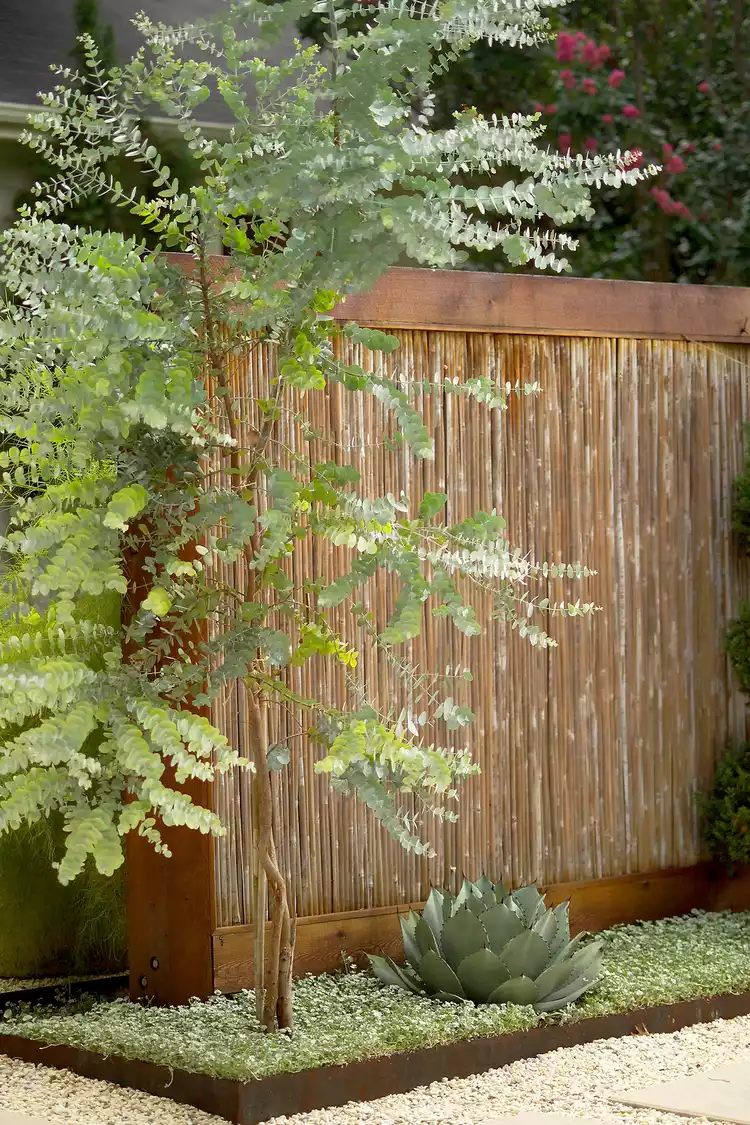
Learn to grow eucalyptus with our complete guide. Eucalyptus varieties are known for their potent essential oils and heady fragrance.
6 Surprising Benefits of Planting Trees
10.9K
218
80

6 Surprising Benefits of Planting Trees

Learn how planting trees can transform your environment and improve your quality of life.
This Bold Woodland Garden Plan Brims with Color and Texture
30.1K
301
75

This Bold Woodland Garden Plan Brims with Color and Texture

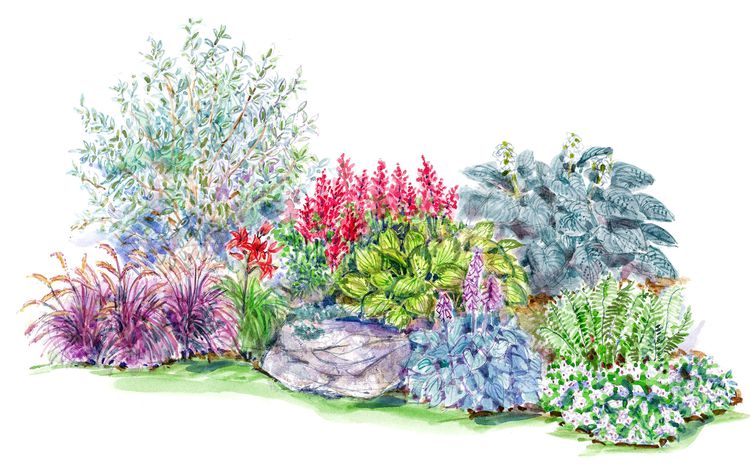
Filled with easy-care plants, this bold woodland garden plan design is perfect for livening up a spot under a tree's canopy.
This No-Fuss Shade Garden Plan Is Your Fix for Bare Spots Under Trees
25.4K
507
187

This No-Fuss Shade Garden Plan Is Your Fix for Bare Spots Under Trees

Featuring a mix of easy-care plants, this no-fuss shade garden plan is the perfect way to add color to a shaded spot in your yard.
This Cozy Corner Garden Plan Will Brighten Up an Unused Spot in Your Yard
35.3K
1.8K
212

This Cozy Corner Garden Plan Will Brighten Up an Unused Spot in Your Yard

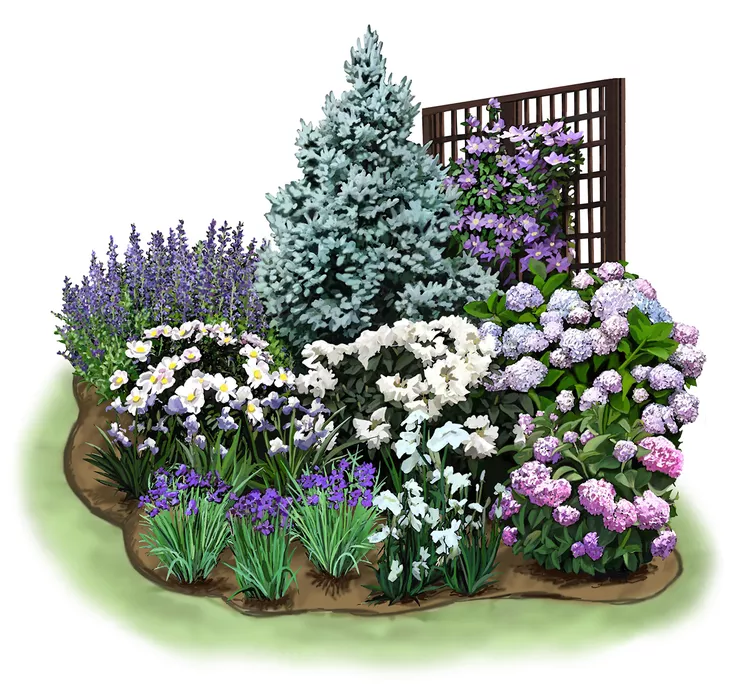
This cozy corner garden plan will create a pocket of color in the unused spots in your yard.
How to Plant and Grow Pineapple Sage
42K
2.9K
853

How to Plant and Grow Pineapple Sage

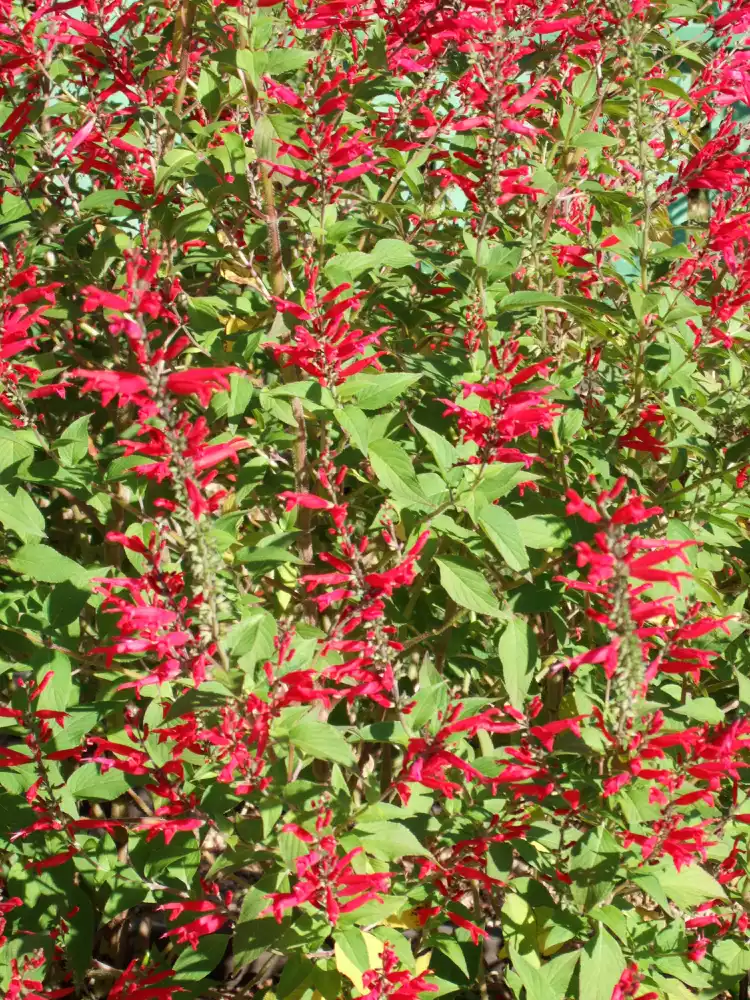
Read this guide to learn how to plant and grow pineapple sage in herb gardens or pollinator habitats!
Got Yellow Leaves on Tomato Plants? 9 Reasons Why and How to Fix It
1.2K
106
24

Got Yellow Leaves on Tomato Plants? 9 Reasons Why and How to Fix It

If you see yellow leaves on tomato plants, here's how to diagnose and fix the problem.
10 Best Companion Plants for Zucchini
8.7K
521
224

10 Best Companion Plants for Zucchini

Keep your zucchini plants healthy and naturally pest-free with these top companion plants that include veggies, flowers, and herbs.
How to Create Beautiful Tropical Planters and Container Gardens
39.4K
788
275

How to Create Beautiful Tropical Planters and Container Gardens

Bring the bold, graphic foliage of plants from the tropics to your home with one of our nine favorite tropical container combinations.
How to Grow and Care for Cordyline Plants in Your Garden or Home
27.5K
1.4K
247

How to Grow and Care for Cordyline Plants in Your Garden or Home

Learn how to plant and care for cordyline to add a tropical feel to your garden or home, including watering, light, and soil requirements.
How to Plant and Care for a String of Pearls Plant
38.3K
3.4K
379

How to Plant and Care for a String of Pearls Plant

Find out how to propagate, water, and take care of a string of pearls plant.
10 Smart Money-Saving Strategies When Shopping for Plants
2.7K
215
98

10 Smart Money-Saving Strategies When Shopping for Plants

From purchasing seeds instead of full grown plants to shopping seasonally and at local sales, here are some of the best ways to reduce costs when buying plants. Purchasing plants from local farms and looking for plants that can be divided are some of the other ways experts suggest reducing your plant spending.
18 Essential Elements of Authentic Japanese Garden Design
44.1K
3.5K
1.4K

18 Essential Elements of Authentic Japanese Garden Design

These Japanese garden designs are relaxing and serene. Try our Japanese garden ideas for a peaceful ambiance in your backyard.
How to Make a DIY Hummingbird Feeder with a Mason Jar
16.9K
1.5K
364

How to Make a DIY Hummingbird Feeder with a Mason Jar

Attract hummingbirds with this easy mason jar hummingbird feeder project that comes together in just a few steps.
The 10 Best Low-Maintenance Perennials for Southern Gardens
8.7K
693
339

The 10 Best Low-Maintenance Perennials for Southern Gardens

The best perennials for southern gardens are low-maintenance and a cinch to grow.
How to Make Easy Concrete Planters for Your Garden
33.1K
3K
297

How to Make Easy Concrete Planters for Your Garden

DIY concrete planters are simple to make with this step-by-step guide. Plus get design ideas and tips for using your new planters.
25 Outdoor Succulent Container Ideas that Resist Heat and Drought
16.3K
1.3K
611

25 Outdoor Succulent Container Ideas that Resist Heat and Drought

These outdoor succulent container ideas feature not only dramatic arrangements, but resistance to heat and drought.
How to Make an Adorable Broken Pot Fairy Garden in 4 Easy Steps
32.1K
2.6K
974

How to Make an Adorable Broken Pot Fairy Garden in 4 Easy Steps

A broken pot fairy garden is a great solution for using up damaged garden pots. Make use of a cracked terra-cotta pot by transforming it into a sweet fairy garden container overflowing with moss and a variety of succulents.