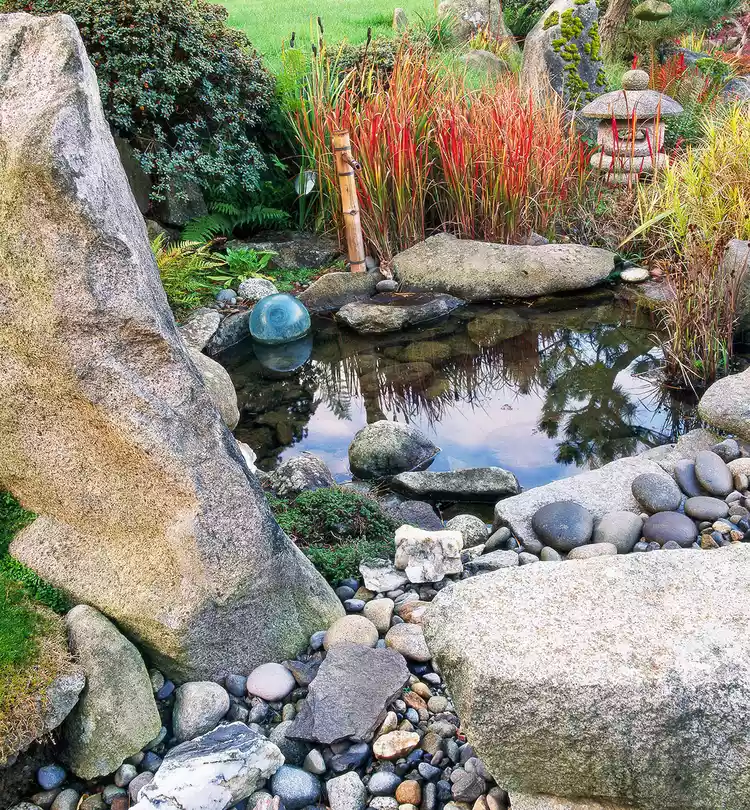
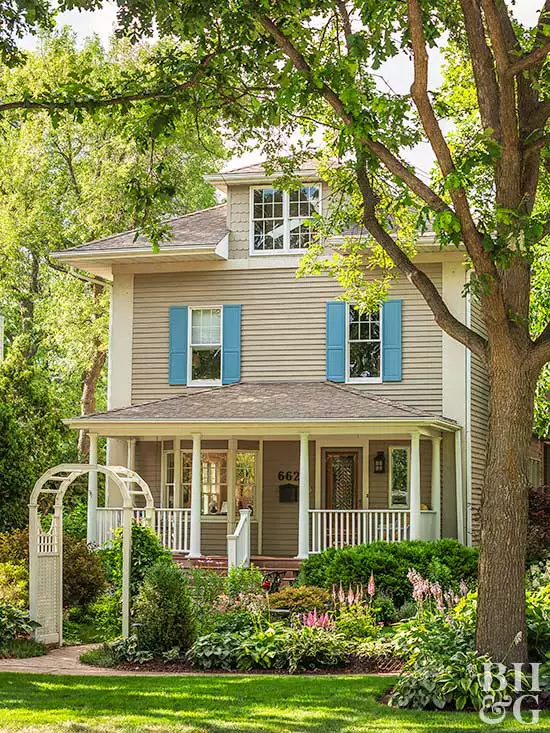
Going "green" in your yard means a lot more than the color of your lawn. In fact, you may not always want your lawn to look so green! (Hint: It uses a lot of water.) Check out these eco-landscaping ideas to green your yard in healthy, sustainable, environmentally friendly ways.
What is Green Landscaping?
Green landscaping—also known as sustainable or eco-landscaping—is a method to design, create, and maintain your landscape to save time, money, and energy. Green landscapes nurture wildlife; reduce air, soil, and water pollution; and make healthy recreation spaces. Your yard can make a difference!
Green Landscaping: Plants and Hardscapes
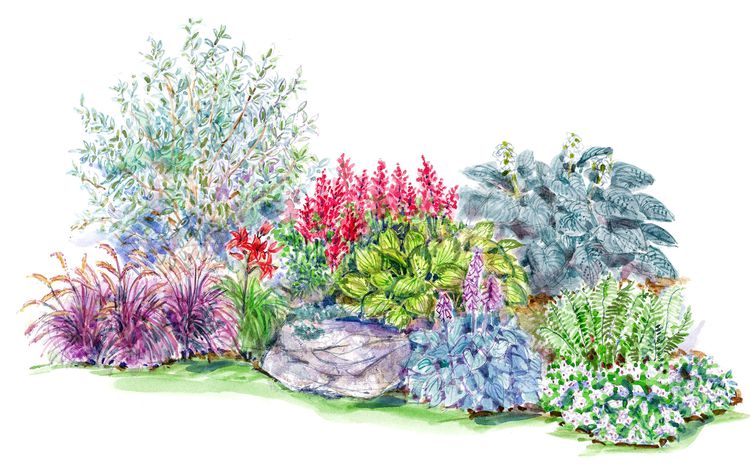
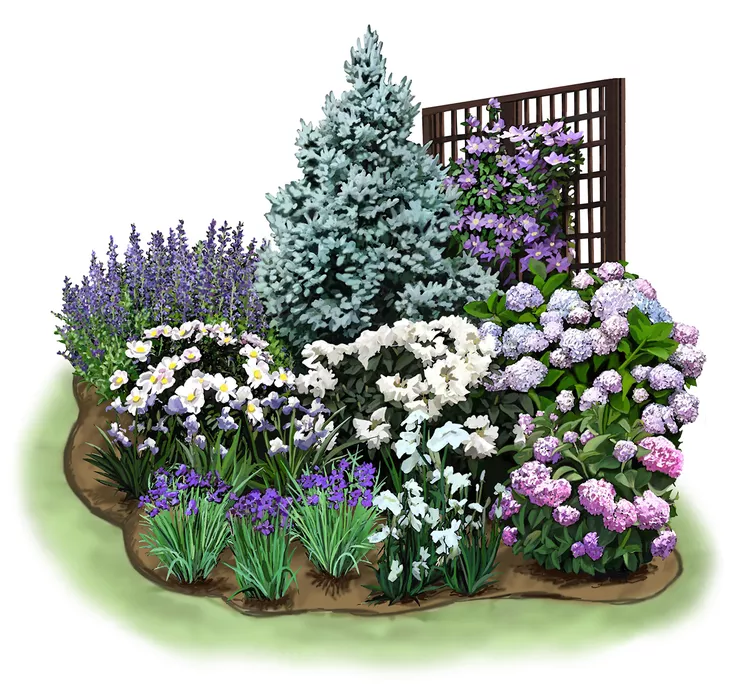
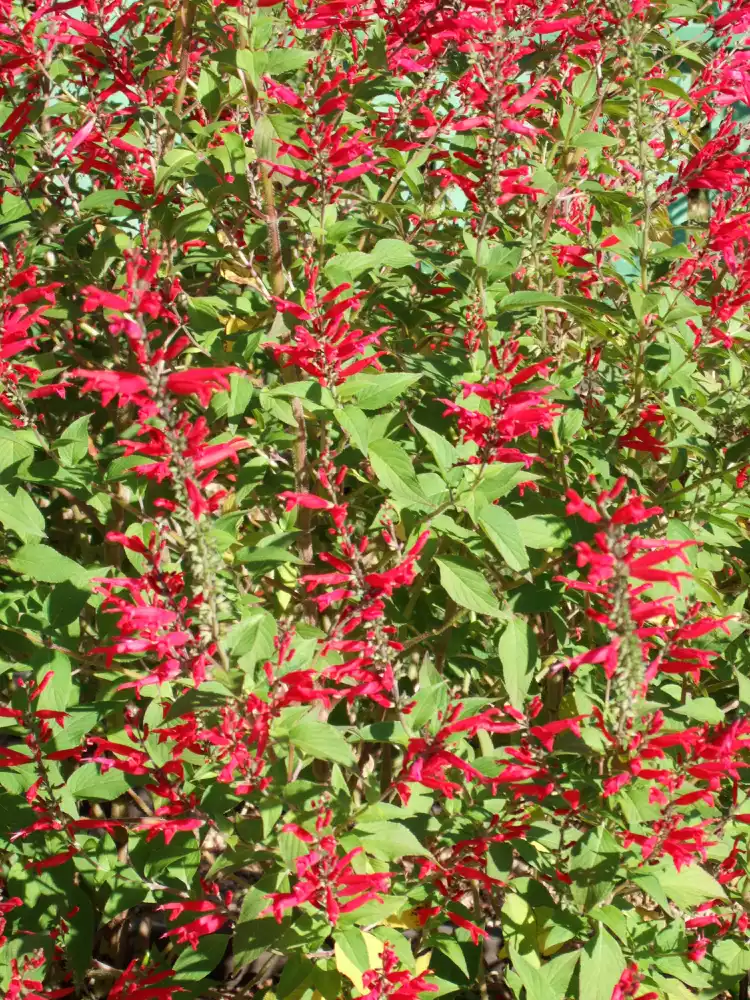
Plants are central to the "green" part of green landscaping. When thinking about what to plant, consider native plants or cultivars derived from native plants (sometimes referred to as "nativars"). Native landscaping plants are naturally adapted to your regional environment. Stay close to home when making your choices, however. Just because a plant is native to the United States doesn't make it good for your location.
Find native plants for your region.
When considering natives, check with local experts to avoid any natives that are invasive or aggressive. For example, purple loosestrife, a beautiful plant once grown in many gardens, is now banned in many states because it spreads too easily to wild areas, choking out other plants.
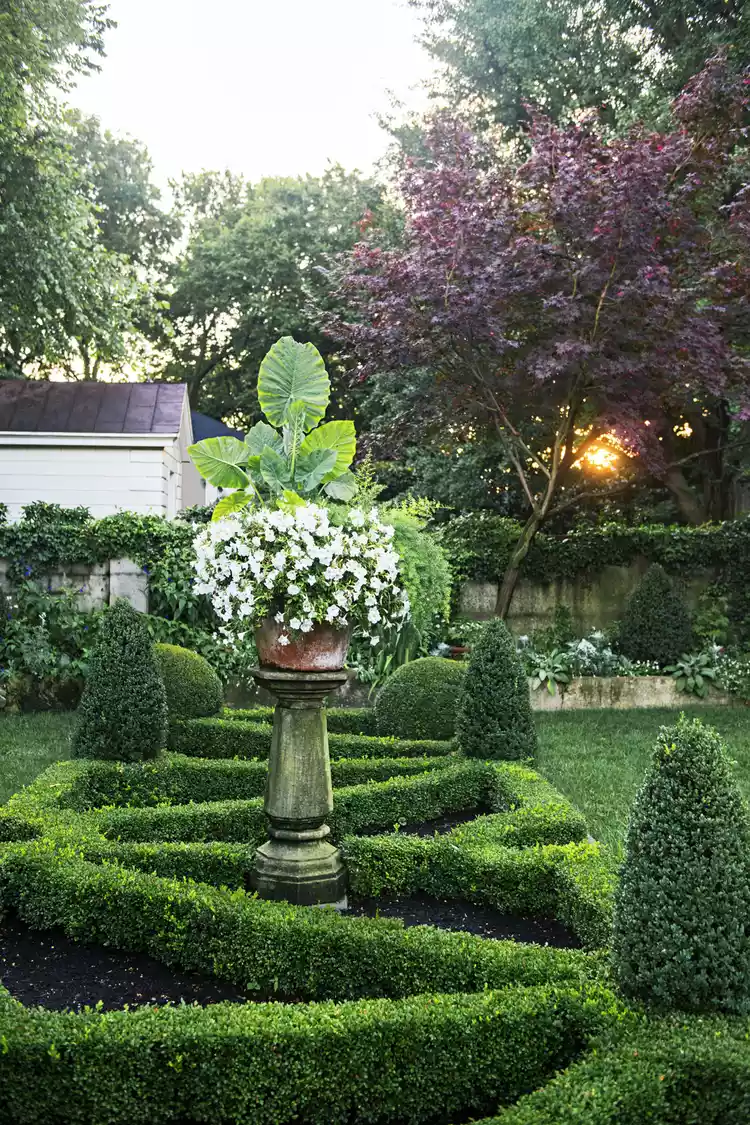
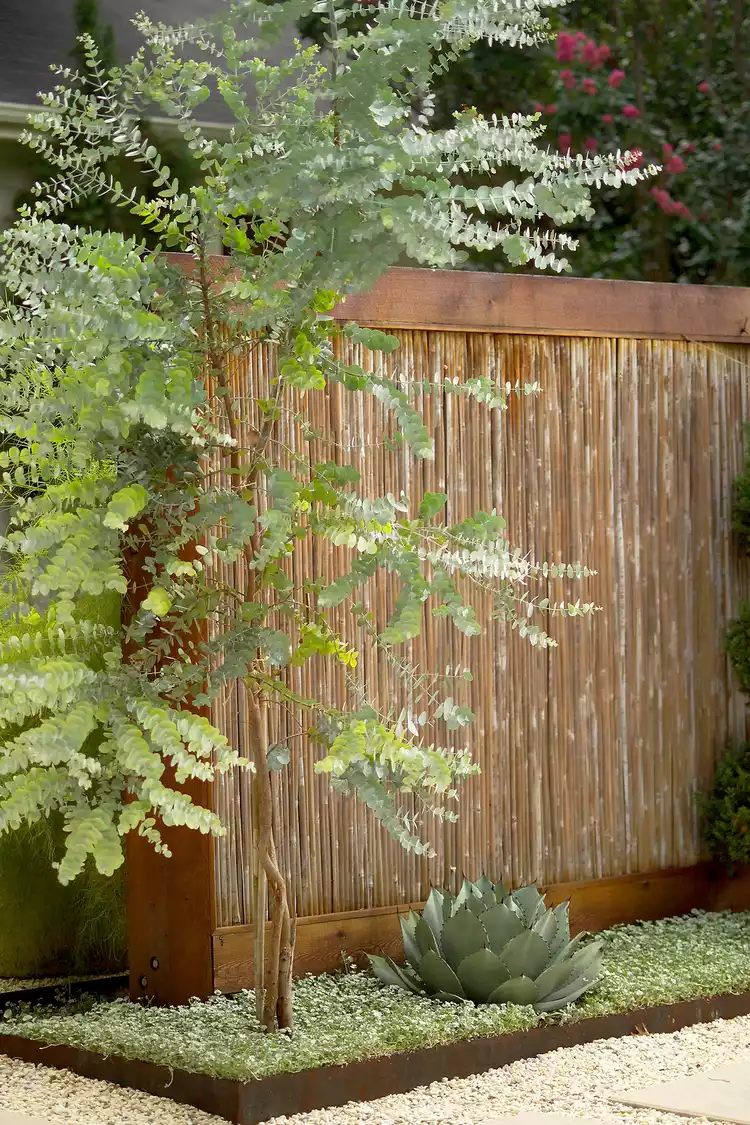
Instead of building a fence for your yard, plant a living wall or landscape hedges to provide a wildlife habitat.
Plant deciduous trees (they shed their leaves in winter) on the south and west sides of your home, so they provide cooling shade in summer and allow warmth in winter.
Explore our favorite small trees.
Hardscaping, too, can be green. Permeable pavers are a more eco-friendly landscaping choice than concrete for driveways, for example, because they allow water to flow into the ground instead of run off into storm sewers, lakes, rivers, and other bodies of water.
Recycling or reusing bricks, stones, glass, concrete pieces, and other materials is a green landscaping alternative to buying or creating new materials. Choose recycled plastics or sustainably harvested materials for fencing and decks.
Green Landscaping: Water Responsibly
In the heat of summer, allow your lawn to go dormant instead of keeping it green with watering. Grass is naturally programmed to go into dormancy. Water infrequently, if at all. When you do water, be sure it's a deep soaking; shallow watering promotes shallow root growth that is more susceptible to drought and insect problems.
Use organic mulch in garden beds and around trees to conserve soil moisture and prevent weeds.
Look into xeriscaping, also called drought-tolerant landscaping. Especially in dry regions where water is in short supply, using the right design and plants can provide a beautiful display without a lot of supplemental water.
An easy way to go green with water is to collect rainwater runoff from your roof in rain barrels or rain chains. Use that free, naturally soft water for your garden needs.
Install a rain garden—a landscaped garden placed in a shallow depression where runoff from your home's roof or hardscaping is directed instead of a storm sewer. The U.S. Environmental Protection Agency (EPA) says nearly 70 percent of water pollution comes from stormwater runoff, and half of that pollution comes from chemicals used in our yards and homes, so creating a rain garden helps stop pollution at its source.
Get our free planting guide for a downspout garden.
Green Landscaping: Reduce or Avoid Chemicals
An important part of natural green landscaping is avoiding unwanted pollution caused by your gardening activities. By reducing or avoiding chemical fertilizers, pesticides, and herbicides, you benefit water, air, and wildlife.
First, test your soil. You may not need to add any chemicals! If your soil needs nutrients, consider adding compost and other organic materials to improve the quality of your lawn and garden soils. Healthy soil nurtures healthy plants.
Avoid overfertilizing with chemical nitrogen and phosphorus fertilizers, which can run off into groundwater sources, adding to water pollution concerns. Never allow your grass clippings or leaves to stay in the street; they are a major source of water pollution. Blow the chopped grass and leaves back onto the lawn where they'll decompose and add nutrients.
Apply only the smallest amount of nitrogen-base fertilizer you need; excess nitrogen can "burn" lawns.
Apply fertilizer to lawns only in fall and spring when it is most beneficial to the grass. A quick-release fertilizer applied in fall—not spring—is the most important because it helps grass build reserves for spring growth.
Get our organic lawn-care tips.
Green Landscaping: Reduce or Stop Fuel Emissions
The EPA says emissions from lawn mowers, snow blowers, chain saws, leaf vacuums, and other outdoor power equipment are a significant source of pollution. Green garden landscaping means making an effort to cut back on these fuel emissions.
Switch from gasoline-burning machines to cleaner-burning electrical engines. Bear in mind, though, that using electricity causes pollution.
Use manual tools such as push reel mowers and hand tools. They emit zero pollution—and you'll get a workout in!
Mow your lawn less frequently. In addition to saving energy and time, your lawn benefits. Remove no more than one-third of the leaf-blade length at any time. Keep your grass at least 3 inches long in summer to cool the soil, preserve moisture, and help the grass maintain a healthy root structure. Research shows that mowing higher means fewer weeds because taller grass shades and out-competes the weed seedlings.
Reduce fuel emissions and save time with a smaller lawn. Transform part of your lawn into gardens filled with low-maintenance, easy-care shrubs and native plants.
Green Landscaping: Waste Not
To create green landscaping, you don't need to change your landscape. It can be as simple as reducing the amount of solid waste you produce. For example, instead of bagging lawn waste such as twigs and leaves, create compost piles. When the yard waste has decomposed, add the finished product to your lawn and gardens to increase fertility.
Other green landscaping ideas to consider:
- Avoid bagging your lawn clippings unless they're so long that they'll smother the grass. Let clippings fall to the ground, where they will quickly decompose and add nutrients.
- Buy mulch in bulk to avoid tossing away multiple plastic bags.
- Recycle your plastic garden pots and flats.
- Share large tools with your neighbors.
See more on mulch.