How to Plant and Grow Papyrus

39.1K
781
210
2025-10-21
How to Plant and Grow Papyrus

Papyrus is an easy-to-grow water plant with a rich, long history. Native to areas of Africa, the plant has been used for thousands of years to make a paper-like material. But papyrus is also loved in gardens. Papyrus sends out grassy sprays of leaves that jut out from the stems like a fireworks display. You can plant papyrus in a weighted pot so that the stems rise above the water surface in a pond or grow it in moist soil at the edge of the water.

Papyrus is not winter-hardy in climates with freezing temperatures but because it grows so fast, treating it as an annual and planting a new papyrus in the spring will produce a tall plant in just one season.

Papyrus Overview

Genus Name Cyperus papyrus
Common Name Papyrus
Plant Type Water Plant
Light Sun
Height 3 to 6 feet
Width 2 to 4 feet
Flower Color Green
Foliage Color Blue/Green
Season Features Summer Bloom
Special Features Cut Flowers, Good for Containers, Low Maintenance
Zones 10, 11
Propagation Division
Problem Solvers Deer Resistant

Where to Plant Papyrus

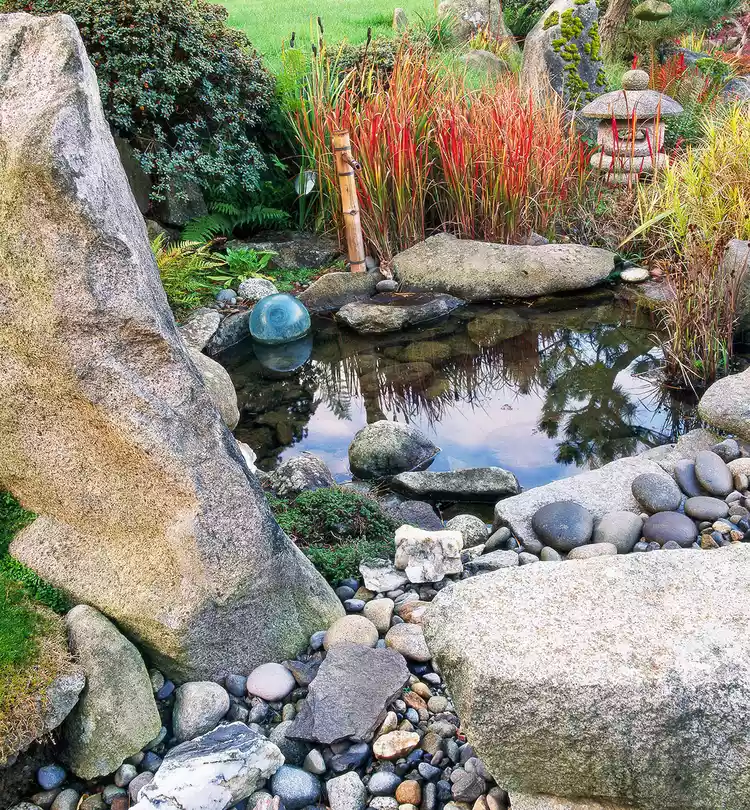
Papyrus is delightfully versatile. You can plant it in standing water and allow it to rise majestically from pools, ponds, or bogs. Or, you can plant it in wet, fertile soil, either at the edge of a water garden or someplace that stays consistently moist, such as beneath a leaky spigot. The soil should be slightly acidic to alkaline.

Plant it near a pond, bog, or other body of water where it gets sun at least for part of the day. You can even plant papyrus in a large pot immersed in water. Growing it in a pot will also contain its vigorous spread via rhizomes.

Many common water garden plants are relatively low-growing, so papyrus makes a dramatic focal point—both for its height and texture.

How and When to Plant Papyrus

Plant papyrus in the spring after there is no more danger of frost.

Whether you plant papyrus in soil or shallow water, make sure you don’t plant it too deep. The crown of the plant (where the stems meet the roots) should never be covered in water, only the root system should be kept wet. Submerging the root ball in water between a few inches and 1 foot deep is optional.

Papyrus Care Tips

In the right conditions, papyrus is easy to care for and grows vigorously.

Light

Papyrus does best with morning sun and afternoon shade. It tolerates full, all-day sun if the soil is never allowed to dry out.

Soil and Water

Papyrus needs ample moisture to thrive. It can be grown in standing water up to 1 foot deep. The soil should be fertile with a pH between 6.0 and 8.5.

Temperature and Humidity

Papyrus is a plant for warm and hot climates that can only be grown as a perennial in areas where the winter temperatures don’t drop below 35 degrees F. In all other climates, it is usually grown as an annual because it does not overwinter well indoors. The plant thrives in high humidity.

Fertilizer

Papyrus typically doesn't require fertilizing but if you grow papyrus in a container by itself or a similarly closed ecosystem, it will benefit from a fertilizer for water gardens or aquatic plants.

Pruning

Other than for aesthetic reasons, papyrus does not require pruning. Reeds that have turned brown can be removed immediately or, if it’s grown as a perennial, left on the plant until the spring and cut back to make room for new growth.

Potting and Repotting Papyrus

For potting, choose a pot that amply accommodates the root system. For papyrus, unlike for most other plants, a pot with small drainage holes is better because the goal is to keep as much water in the pot as possible. If the pot has large drainage holes, you can plug some with a cork from a bottle.

Fill the pot with a mixture of potting mix and compost, which improves water retention. Repotting to a larger pot with fresh soil will be necessary when the roots have filled the pot.

Pests and Problems

Papyrus is not commonly affected by serious pests or diseases.

How to Propagate Papyrus

In areas where papyrus can be grown as a perennial, it can be divided in the spring. Prune the reeds and remove some of the outer, less vigorous growth, then dig up the entire clump, taking care not to damage any of the rhizomes in the process. Gently pull the rhizomes apart by hand to divide the plant into several sections. Plant the sections in a suitable wet location and water them well.

Types of Papyrus

Dwarf Papyrus

This is a quick-growing yet compact variety that sends up fine-textured leaf tufts in brown and green. It grows 18 to 30 inches tall and spreads 2 to 3 feet.

'King Tut'

This tall papyrus variety grows 4 to 6 feet tall and spreads 3 to 4 feet. The greenish flowerheads can measure up to 12 inches across.

Papyrus Companion Plants

Canna

Cannas add bold, tropical texture to a garden, whether used in containers or planted directly in the ground. In cool climates, cannas are fast-growing plants that are treated as annuals to fill a space with color quickly. In warm climates, they create dense stands of lush foliage and vibrant blooms throughout the summer, year after year. They prefer a moist soil and sunny conditions although partial shade is tolerated. Zone 7-10

Water Lily

Water lilies (Nymphaea spp.) are available in a rainbow of color options. Many of the hardy varieties have soft, pastel flowers; tropical varieties come in jewel tones of bright blues, purples, oranges, and yellows. Growing from stout rhizomes from the pond bottom, water lilies' signature leaves develop on long stems and float at the surface. Zones 3-11

Lotus

Lotus is prized by water gardeners because it's both beautiful and easy to grow. Lotus stalks start out in muddy soil and water and end in sweetly fragrant white-to-pink flowers that can grow as large as 12 inches across. Although spectacular, the flowers are short-lived—appearing for only a few days followed by large ornamental seed pods. Zone 4-10

Frequently Asked Questions

  • Does papyrus have flowers?

    Yes, it flowers although it is not their green color that makes the flowers of papyrus so attractive. The umbel-shaped flowerheads look like fireworks and make good cut flowers.

  • Can papyrus be a houseplant?

    Indoors, it won’t be growing as tall and fast as outside, but you can grow papyrus as a houseplant. Give it a bright location and provide consistent moisture by placing the pot in a shallow dish filled with water.

  • Can I overwinter papyrus indoors?

    Bringing a papyrus indoors for the winter is possible but unless you have the space and proper light conditions, it is not recommended. The plant reaches a substantial height in just one growing season and keeping the large root system of the plant wet at all times can also be challenging. It is oftentimes better to start with a new plant outdoors each spring.

Related Article

How to Prune 12 Common Types of Evergreen Shrubs and Trees
24.3K
1.9K
388

How to Prune 12 Common Types of Evergreen Shrubs and Trees

Use these tips on pruning evergreens like boxwood, yews, and junipers so they don't become overgrown messes.
Expert Tips for Growing and Designing With Beautiful Boxwood
11K
219
72

Expert Tips for Growing and Designing With Beautiful Boxwood

With our boxwood garden ideas, you'll create durable changes to your landscaping. Boxwoods, a type of evergreen, are an elegant addition to a formal garden. Learn how to care for boxwood, so that your boxwood garden thrives.
How to Plant and Grow Eucalyptus
5.9K
410
168

How to Plant and Grow Eucalyptus

Learn to grow eucalyptus with our complete guide. Eucalyptus varieties are known for their potent essential oils and heady fragrance.
6 Surprising Benefits of Planting Trees
10.9K
218
80

6 Surprising Benefits of Planting Trees

Learn how planting trees can transform your environment and improve your quality of life.
This Bold Woodland Garden Plan Brims with Color and Texture
30.1K
301
75

This Bold Woodland Garden Plan Brims with Color and Texture

Filled with easy-care plants, this bold woodland garden plan design is perfect for livening up a spot under a tree's canopy.
This No-Fuss Shade Garden Plan Is Your Fix for Bare Spots Under Trees
25.4K
507
187

This No-Fuss Shade Garden Plan Is Your Fix for Bare Spots Under Trees

Featuring a mix of easy-care plants, this no-fuss shade garden plan is the perfect way to add color to a shaded spot in your yard.
This Cozy Corner Garden Plan Will Brighten Up an Unused Spot in Your Yard
35.3K
1.8K
212

This Cozy Corner Garden Plan Will Brighten Up an Unused Spot in Your Yard

This cozy corner garden plan will create a pocket of color in the unused spots in your yard.
How to Plant and Grow Pineapple Sage
42K
2.9K
853

How to Plant and Grow Pineapple Sage

Read this guide to learn how to plant and grow pineapple sage in herb gardens or pollinator habitats!
Got Yellow Leaves on Tomato Plants? 9 Reasons Why and How to Fix It
1.2K
106
24

Got Yellow Leaves on Tomato Plants? 9 Reasons Why and How to Fix It

If you see yellow leaves on tomato plants, here's how to diagnose and fix the problem.
10 Best Companion Plants for Zucchini
8.7K
521
224

10 Best Companion Plants for Zucchini

Keep your zucchini plants healthy and naturally pest-free with these top companion plants that include veggies, flowers, and herbs.
How to Create Beautiful Tropical Planters and Container Gardens
39.4K
788
275

How to Create Beautiful Tropical Planters and Container Gardens

Bring the bold, graphic foliage of plants from the tropics to your home with one of our nine favorite tropical container combinations.
How to Grow and Care for Cordyline Plants in Your Garden or Home
27.5K
1.4K
247

How to Grow and Care for Cordyline Plants in Your Garden or Home

Learn how to plant and care for cordyline to add a tropical feel to your garden or home, including watering, light, and soil requirements.
How to Plant and Care for a String of Pearls Plant
38.3K
3.4K
379

How to Plant and Care for a String of Pearls Plant

Find out how to propagate, water, and take care of a string of pearls plant.
10 Smart Money-Saving Strategies When Shopping for Plants
2.7K
215
98

10 Smart Money-Saving Strategies When Shopping for Plants

From purchasing seeds instead of full grown plants to shopping seasonally and at local sales, here are some of the best ways to reduce costs when buying plants. Purchasing plants from local farms and looking for plants that can be divided are some of the other ways experts suggest reducing your plant spending.
18 Essential Elements of Authentic Japanese Garden Design
44.1K
3.5K
1.4K

18 Essential Elements of Authentic Japanese Garden Design

These Japanese garden designs are relaxing and serene. Try our Japanese garden ideas for a peaceful ambiance in your backyard.
How to Make a DIY Hummingbird Feeder with a Mason Jar
16.9K
1.5K
364

How to Make a DIY Hummingbird Feeder with a Mason Jar

Attract hummingbirds with this easy mason jar hummingbird feeder project that comes together in just a few steps.
The 10 Best Low-Maintenance Perennials for Southern Gardens
8.7K
693
339

The 10 Best Low-Maintenance Perennials for Southern Gardens

The best perennials for southern gardens are low-maintenance and a cinch to grow.
How to Make Easy Concrete Planters for Your Garden
33.1K
3K
297

How to Make Easy Concrete Planters for Your Garden

DIY concrete planters are simple to make with this step-by-step guide. Plus get design ideas and tips for using your new planters.
25 Outdoor Succulent Container Ideas that Resist Heat and Drought
16.3K
1.3K
611

25 Outdoor Succulent Container Ideas that Resist Heat and Drought

These outdoor succulent container ideas feature not only dramatic arrangements, but resistance to heat and drought.
How to Make an Adorable Broken Pot Fairy Garden in 4 Easy Steps
32.1K
2.6K
974

How to Make an Adorable Broken Pot Fairy Garden in 4 Easy Steps

A broken pot fairy garden is a great solution for using up damaged garden pots. Make use of a cracked terra-cotta pot by transforming it into a sweet fairy garden container overflowing with moss and a variety of succulents.