8 Must-Know Tips for Watering Poinsettias So They Last All Season

17.7K
884
415
2025-10-29
8 Must-Know Tips for Watering Poinsettias So They Last All Season

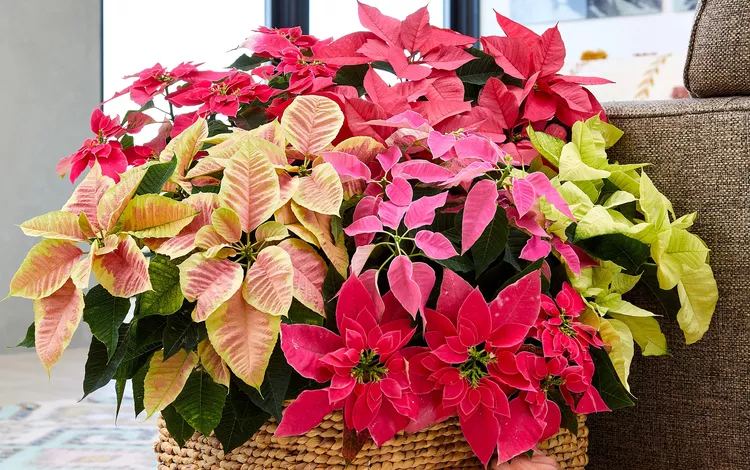
It’s a sure sign the holiday season is here when poinsettias fill florist shelves, grocery store endcaps, and greenhouses at big box stores. These lush tropical plants look fabulous at the time of purchase but often take on a sickly appearance a few days later. Improper watering is usually the culprit.

Poinsettias are sensitive to too much or too little water and quickly show signs of stress in the form of yellow leaves and bare lower branches. These 8 smart watering tips will keep your poinsettias looking good until you ring in the new year.

1. Start with a healthy plant.

When shopping for a poinsettia, resist the urge to rescue a bedraggled plant. Poinsettias that have had a rough journey to the marketplace might have broken stems, limp or curled leaves, and limited foliage at the base of the plant. In general, these tender tropicals don’t recover quickly and will likely look less-than-festive for the duration of the holiday season. 

Instead, search out a poinsettia with lush, brightly colored leaves and flowers—the button-like structures in the center of the leaf clusters—that are barely open and shedding no pollen. A healthy poinsettia easily keeps its good looks for six weeks or more. 

2. Check the soil moisture daily.

Yes, daily. When soil is dry to the touch, it’s time to water. Poinsettias thrive when their soil is allowed to just barely dry out between waterings. Your goal is to water the plant the day the soil surface is dry to the touch. 

Poinsettias are usually grown in a soilless mix that dries out rapidly because that type of soil most closely mimics their native soil. Poinsettias are tropical plants heralding from regions with light, sandy soil and frequent rain showers. Replicate these conditions in your home, and the poinsettia will be happy. 

3. Remove the cover before watering.

Poinsettias despise soggy soil. When poinsettias are watered in their decorative covers, the excess water pools in the bottom of the cover, creating waterlogged soil. Before watering your plant, slip it out of the decorative plastic or paper cover. Replace the cover after all excess moisture has drained out of the pot.  

4. Let your poinsettia soak.

An easy way to ensure poinsettias receive ample moisture at watering time is to set the plant—removing the decorative pot cover first—in a baking pan or shallow tray. Then, water the plant with room temperature water until the excess water runs out of the bottom of the pot. Leave the pot in the tray for 15-30 minutes. It will absorb any needed water that collects in the bottom of the tray.

5. Don’t leave water in the cover.

After letting your poinsettia soak, it's best to set your plant in a sink where any excess water can drip out before returning the pot to the decorative cover. Or if you want to just put it back in the cover, check back a little while later and dump out any unneeded water to prevent the plant’s soil from becoming waterlogged. The same applies if you use a saucer under your plant's pot instead of a cover.

6. Avoid nearby heat sources.

Vents, radiators—anything that is moving warm air—will cause the soil of nearby poinsettias to dry out more quickly. If possible, place your poinsettia near a sunny window, away from heat sources. Poinsettias thrive when the air temperature is 60°F to 70°F, and you won't have to water it quite as much.

7. Watch for yellow leaves.

Overwatering causes leaves on the bottom of the plant to turn yellow and drop off. In time, the lower half of the plant becomes a bunch of leafless stems. At the first sight of a yellow leaf, check the soil moisture. Do not water the plant until the soil surface is dry to the touch. Also, check the decorative pot cover to ensure excess water has not collected in the bottom, causing soggy soil. 

8. Don't let your poinsettia wilt.

Poinsettias are quick to let you know when they desperately need water. Their leaves will look curled and droopy. Unfortunately, when poinsettias reach this point, their growth is often so compromised that it is difficult to return them to full health. While it's best to avoid letting your plant wilt even a little bit, if this does happen, water your stressed poinsettia as soon as you notice the problem, following the watering practices described above.

Related Article

How to Prune 12 Common Types of Evergreen Shrubs and Trees
24.3K
1.9K
388

How to Prune 12 Common Types of Evergreen Shrubs and Trees

Use these tips on pruning evergreens like boxwood, yews, and junipers so they don't become overgrown messes.
Expert Tips for Growing and Designing With Beautiful Boxwood
11K
219
72

Expert Tips for Growing and Designing With Beautiful Boxwood

With our boxwood garden ideas, you'll create durable changes to your landscaping. Boxwoods, a type of evergreen, are an elegant addition to a formal garden. Learn how to care for boxwood, so that your boxwood garden thrives.
How to Plant and Grow Eucalyptus
5.9K
410
168

How to Plant and Grow Eucalyptus

Learn to grow eucalyptus with our complete guide. Eucalyptus varieties are known for their potent essential oils and heady fragrance.
6 Surprising Benefits of Planting Trees
10.9K
218
80

6 Surprising Benefits of Planting Trees

Learn how planting trees can transform your environment and improve your quality of life.
This Bold Woodland Garden Plan Brims with Color and Texture
30.1K
301
75

This Bold Woodland Garden Plan Brims with Color and Texture

Filled with easy-care plants, this bold woodland garden plan design is perfect for livening up a spot under a tree's canopy.
This No-Fuss Shade Garden Plan Is Your Fix for Bare Spots Under Trees
25.4K
507
187

This No-Fuss Shade Garden Plan Is Your Fix for Bare Spots Under Trees

Featuring a mix of easy-care plants, this no-fuss shade garden plan is the perfect way to add color to a shaded spot in your yard.
This Cozy Corner Garden Plan Will Brighten Up an Unused Spot in Your Yard
35.3K
1.8K
212

This Cozy Corner Garden Plan Will Brighten Up an Unused Spot in Your Yard

This cozy corner garden plan will create a pocket of color in the unused spots in your yard.
How to Plant and Grow Pineapple Sage
42K
2.9K
853

How to Plant and Grow Pineapple Sage

Read this guide to learn how to plant and grow pineapple sage in herb gardens or pollinator habitats!
Got Yellow Leaves on Tomato Plants? 9 Reasons Why and How to Fix It
1.2K
106
24

Got Yellow Leaves on Tomato Plants? 9 Reasons Why and How to Fix It

If you see yellow leaves on tomato plants, here's how to diagnose and fix the problem.
10 Best Companion Plants for Zucchini
8.7K
521
224

10 Best Companion Plants for Zucchini

Keep your zucchini plants healthy and naturally pest-free with these top companion plants that include veggies, flowers, and herbs.
How to Create Beautiful Tropical Planters and Container Gardens
39.4K
788
275

How to Create Beautiful Tropical Planters and Container Gardens

Bring the bold, graphic foliage of plants from the tropics to your home with one of our nine favorite tropical container combinations.
How to Grow and Care for Cordyline Plants in Your Garden or Home
27.5K
1.4K
247

How to Grow and Care for Cordyline Plants in Your Garden or Home

Learn how to plant and care for cordyline to add a tropical feel to your garden or home, including watering, light, and soil requirements.
How to Plant and Care for a String of Pearls Plant
38.3K
3.4K
379

How to Plant and Care for a String of Pearls Plant

Find out how to propagate, water, and take care of a string of pearls plant.
10 Smart Money-Saving Strategies When Shopping for Plants
2.7K
215
98

10 Smart Money-Saving Strategies When Shopping for Plants

From purchasing seeds instead of full grown plants to shopping seasonally and at local sales, here are some of the best ways to reduce costs when buying plants. Purchasing plants from local farms and looking for plants that can be divided are some of the other ways experts suggest reducing your plant spending.
18 Essential Elements of Authentic Japanese Garden Design
44.1K
3.5K
1.4K

18 Essential Elements of Authentic Japanese Garden Design

These Japanese garden designs are relaxing and serene. Try our Japanese garden ideas for a peaceful ambiance in your backyard.
How to Make a DIY Hummingbird Feeder with a Mason Jar
16.9K
1.5K
364

How to Make a DIY Hummingbird Feeder with a Mason Jar

Attract hummingbirds with this easy mason jar hummingbird feeder project that comes together in just a few steps.
The 10 Best Low-Maintenance Perennials for Southern Gardens
8.7K
693
339

The 10 Best Low-Maintenance Perennials for Southern Gardens

The best perennials for southern gardens are low-maintenance and a cinch to grow.
How to Make Easy Concrete Planters for Your Garden
33.1K
3K
297

How to Make Easy Concrete Planters for Your Garden

DIY concrete planters are simple to make with this step-by-step guide. Plus get design ideas and tips for using your new planters.
25 Outdoor Succulent Container Ideas that Resist Heat and Drought
16.3K
1.3K
611

25 Outdoor Succulent Container Ideas that Resist Heat and Drought

These outdoor succulent container ideas feature not only dramatic arrangements, but resistance to heat and drought.
How to Make an Adorable Broken Pot Fairy Garden in 4 Easy Steps
32.1K
2.6K
974

How to Make an Adorable Broken Pot Fairy Garden in 4 Easy Steps

A broken pot fairy garden is a great solution for using up damaged garden pots. Make use of a cracked terra-cotta pot by transforming it into a sweet fairy garden container overflowing with moss and a variety of succulents.