
Sometimes, people are so excited to plan the backyard of their dreams, replete with grills, movie screens, and she-sheds, that they make some key front yard landscaping mistakes when it comes to their home's curb appeal. A well-designed entry can translate into dollars when you sell your home. The National Association of Realtors found landscape improvements deliver up to 217 percent ROI.
Even if you are staying put, your front yard is your home’s gateway, welcome mat, and first impression. These expert tips on avoiding the worst front yard landscaping mistakes will help you achieve maximum curb appeal through year-round color and seasonal surprises.
- Lisa Bauer is an award-winning landscape designer based in Seattle, Washington.
- Designer Lee Miller of Long Island, NY, is the author of several gardening books, including Landscape Design Combinations.
- Nebraska designer Benjamin Vogt is a natural gardening advocate and author of Prairie Up.
1. Neglecting Curb Appeal Basics
Well-maintained edges in plants, hardscaping, and finishes are vital to creating curb appeal. The path to the door should be clear, safe, and well-lit, and the house numbers easily visible from the street. That way, your neighbors, postal workers, and pizza delivery persons can find you quickly and safely.
Peeling paint, slippery steps, shaky railings, worn pathways, and sticking doors need to be addressed. Take care of these basics before moving on to making the space more inviting.
2. Prioritizing the Backyard Over the Front
If you’ve used up your imagination and energy on the backyard, it might be tempting to pop some pansies in by the door and call it good enough. However, the front is your first opportunity to welcome visitors and display your sense of style. So, show your front yard some love.
Award-winning Seattle, Washington-based designer Lisa Bauer recommends you signal where the front door is by creating a “welcoming patio.”
“Plant with drama or use pots around this area so it draws people in, and paint the door a pleasing color,” Bauer says. She also recommends highlighting the entry path and door with symmetry in plants and decorative elements—from columnar plants and evergreen shrubs to ornamental grasses and matching pots.
Curb appeal starts at the curb, so don’t forget your driveway and parking strips by the sidewalk. They offer an opportunity to extend your garden, blend it with your house, and pull the landscape together. Find materials for paths and decorative accents that complement the colors of your home and repeat them as much as possible through the landscape.
“The journey to your front door should be a rich and rewarding experience.”
—LISA BAUER
3. Unintentional Oversizing
People tend to underestimate a plant’s ultimate size—often because of wishful thinking. Homeowners may think the garden is larger than it is, especially when shopping at the nursery, plus plant tag descriptions can be confusing. A plant labeled “dwarf” can still grow 20 feet tall, for instance, and often, the height estimates for conifers are for 10 years, not the plant’s lifetime.
When large plants are planted in the wrong spots, they grow to block windows, swallow pathways, and threaten foundations or powerlines, causing costly maintenance headaches. Bauer recommends spacing large specimens well away from structures to avoid these issues and cause the space to feel claustrophobic.
“Place large plants and trees in the middle or on the perimeter of the yard to expand the view from inside and to create privacy and depth to the yard,” says Bauer.
Designer Lee Miller of Long Island, New York, author of several gardening books including Landscape Design Combinations, suggests foundation planting beds should ideally be 6 to 8 feet wide, with plants located at least 1 foot from the house.
4. Visual Chaos in Plantings
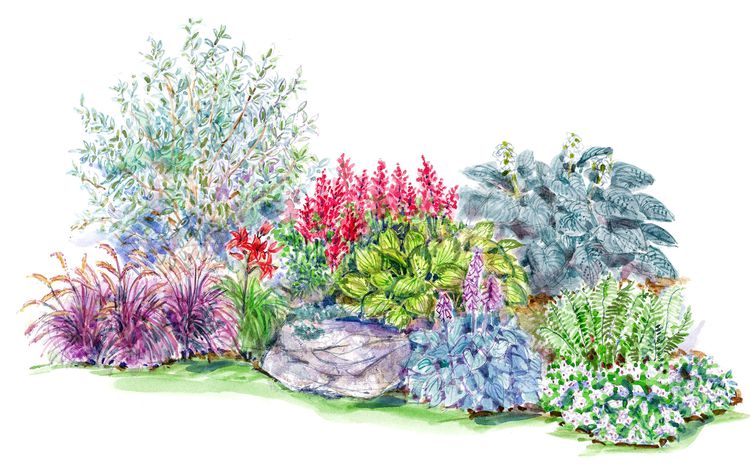
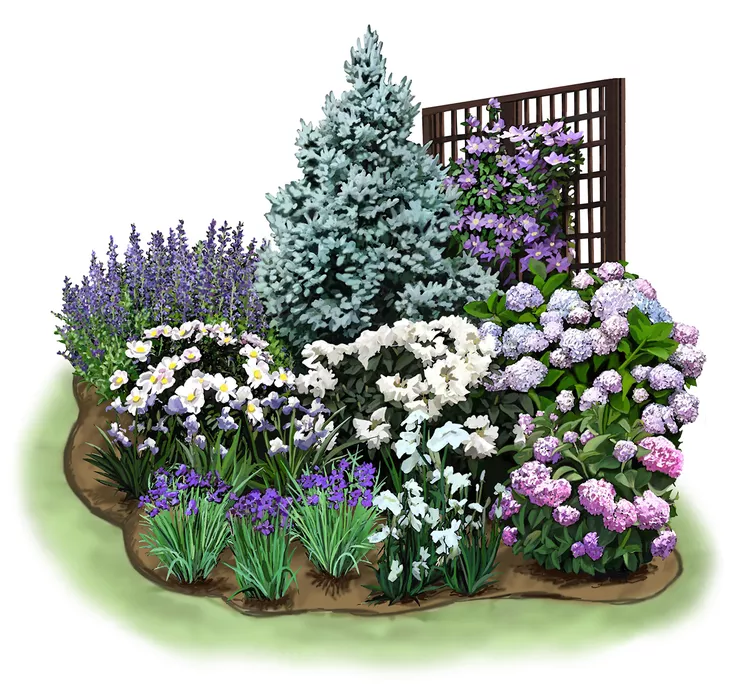
While picking up one of everything at the nursery is fun, it creates a chaotic effect in your garden that blurs the design’s effectiveness. Conversely, repeating plants, groupings, colors, and shapes throughout your front yard landscaping creates a rhythm that draws your eye through a space. The result is an easy-to-read garden picture that’s restful on the eye and mind.
5. Not Enough Plants
Nebraska garden designer Benjamin Vogt says, “The number one design mistake in my mind is not using enough plants. I’m speaking to folks who want a natural garden, to evoke local ecosystems, and help local wildlife, but they garden in the ‘traditional’ way—thin foundation beds with plants not touching one another and marooned in annual wood mulch applications.”
Too-sparse front yard landscapes are neither satisfying nor helpful to the environment. Layering creates a landscape that is both visually and biologically rich, feeding birds and beneficial insects alike. The caveat is to plant densely by choosing plants that match your site’s conditions and won’t overgrow their welcome.
Planting densely can equate to less work in the long run, Vogt says. "Having more plants reduces management, especially long-term weeds, as desirable plants fill in and steal sunlight and water from weed seedlings or seeds that just can’t get going," says Vogt. "That density also leads to resilience in the case of a severe drought year."
6. Overcrowded Plants
On the flipside of too few plants, overcrowding planting beds “may look pleasing initially, but can lead to a maintenance nightmare over time,” Miller says. So, how to strike the correct balance? Choose the right plants, repeat them, and mass smaller plants in waves of color to help tame the chaos.
7. Neglecting Year-Round Appeal
Another mistake Miller sees is forgetting to plant for visual interest throughout the year. “Use a mix of evergreens, flowering trees/shrubs, and perennials for maximum interest,” says Miller. Evergreens “provide needed structure and interest throughout all the seasons.”
8. Lack of Personality
Style is personal. Not far from my house in Seattle, one brick Tudor has a carousel horse on the front lawn, while a craftsman has an arbor made of chains worthy of “Mad Max” topped by cattle skulls. Maybe those aren’t for you, but there’s no reason to have a bland garden.
Some of the most memorable gardens—the ones that make the heart sing—are the ones in which the homeowners have gone passionately out on a limb to realize a vision. If you’re not selling or living under the rules of a homeowners’ association or local historical society, your front garden can be your canvas.
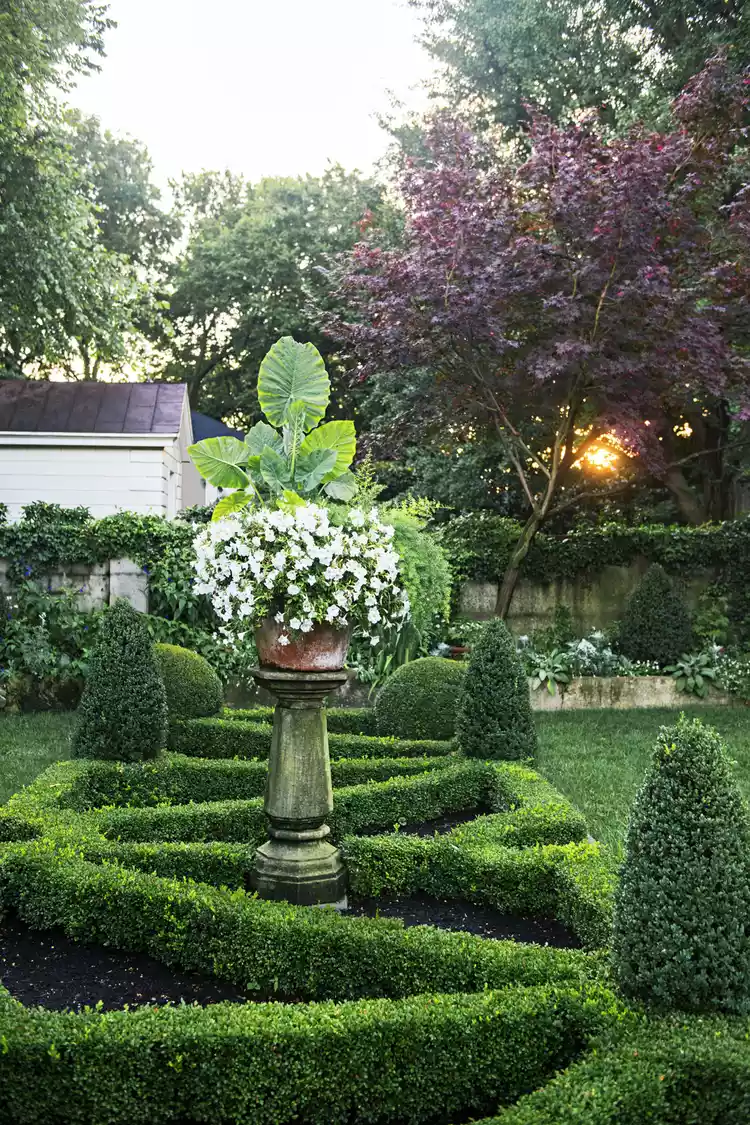
Instead of the standard builder’s-issue foundation plantings, maybe you’ll create a streetside mini-meadow or a potager full of vegetables and cutting flowers. Whether you express yourself in exuberant plantings, clipped boxwood hedges, or colorful art is up to you. Sure, just as renters may have to paint their purple living room back to white upon moving, a homeowner might one day need to rehome a carousel horse. Until then, it’s their garden to enjoy, and there’s no reason it shouldn’t reflect their personality.
Tips for the Best Front Yard Landscaping
To sum up, the key to designing a dynamic front yard landscape is to plant intentionally using repetition and massing for a cohesive look. While your specific style may be personal, appealing design has a universality to it, employing certain patterns that are pleasing to the eye, such as repetition, comfort, and clarity. And make sure to choose plants that suit your growing conditions, provide year round interest, and create a rich ecosystem for wildlife.
Apply these designers’ suggestions to avoid common landscaping mistakes that result in low curb appeal. Then use their tips to find myriad ways to express what you love about gardening—beautifully.