Are Zinnias Perennials or Annuals? And How to Grow Them

1.1K
54
7
2025-11-05
Are Zinnias Perennials or Annuals? And How to Grow Them

Are zinnias perennials that you don't need to replant next year? There are actually several species of these colorful flowers, all in the genus Zinnia, which includes both perennials and annuals. However, the most popular for gardens is the common or elegant zinnia (Zinnia elegans). It's the one that has been grown and hybridized extensively to give us hundreds of dazzling varieties to choose from. These plants are annuals, but there are a few perennial types of zinnias as well that are worth a spot in your garden.

What is an annual plant?

An annual plant is one that completes its life cycle within one year or growing season—going from seed germination through vegetative growth, reproduction (flowering), and seed drop before dying. 

Perennial Zinnias

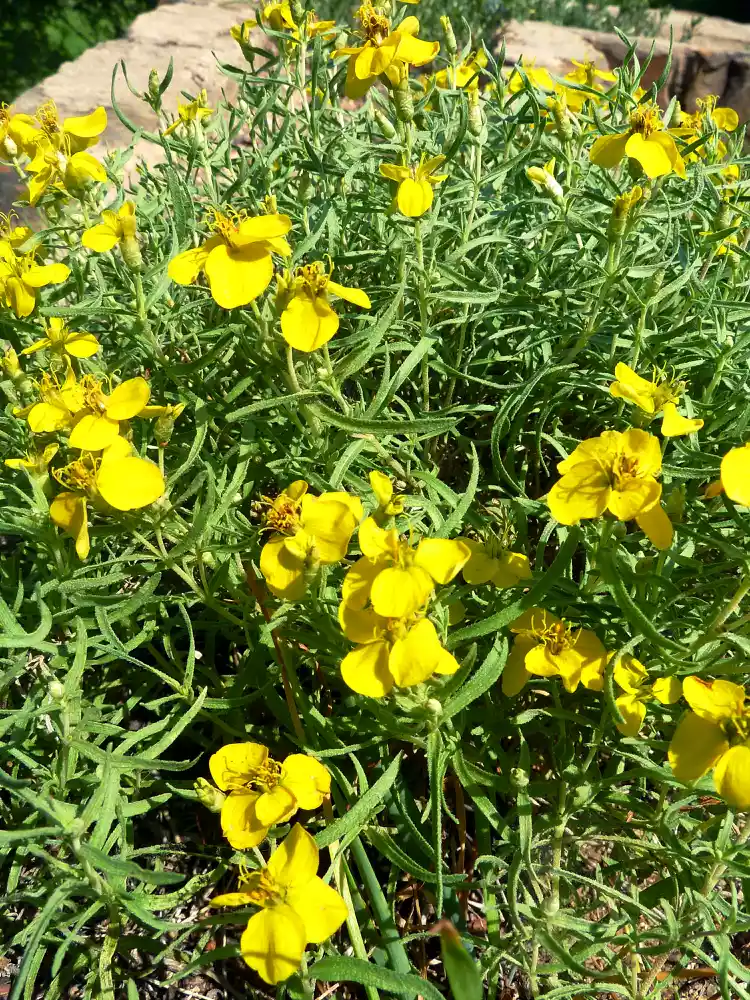
A few zinnias native to the American Southwest are perennials, the best-known one being Zinnia grandiflora, which goes by several common names such as plains zinnia or Rocky Mountain zinnia. This type of zinnia is hardy in USDA Zones 4-9 and doesn't look much like its popular annual cousin. Plains zinnia is a low-mounded plant with single flowers in pale yellow. It grows well in drier, rockier locations and can be an excellent choice for a rock garden or pathway border. You may be able to find perennial zinnia plants or seeds from a native plant vendor.

Growing Zinnias from Seeds

While annual zinnias won't last beyond your current growing season, they may reseed themselves if given a chance. Hybrid zinnias that self-seed won’t produce plants that are identical to the parent plants, but you’ll get new zinnias to enjoy anyway. In general, most gardeners just purchase and plant new seeds each spring rather than counting on self-seeding to be successful, especially if there are specific varieties they want to grow.

Zinnias are easy to grow from seeds, making them great flowers for new gardeners or children. Just plant the seeds in a spot with full sun—zinnias don’t mind the heat—and fertile, well-drained soil. They will also grow well in containers, especially shorter varieties.

When and How to Plant Zinnia Seeds

Zinnia seeds germinate quickly in warm soil. After your area's last frost date in spring, when soil temperatures have warmed up, plant zinnia seeds about ¼ inch deep. Zinnia seeds are thin and small, so don’t worry if two fall into the same hole. You can thin them later if needed. There is no “up” or “down,” so just let them drop in. Then, lightly cover with soil and gently but deeply water the area.

Zinnia plants can be spaced pretty close together. Larger varieties will need a bit more space: Try planting seeds 8-12 inches apart in rows that are 12 inches apart. Shorter types can be closer together since the plants won’t grow as large.

Keep new seedlings thriving by watering from below if you can, because zinnias are susceptible to spotting from water drops and leaf diseases like powdery mildew. It also helps to water in the morning when possible, so warming daytime temperatures help to dry off any splashed water quickly.

Growing Zinnia in Pots

Zinnias are adaptable flowers, so planting seeds in pots will work as well as planting seeds in the ground. Choose a pot that is 8-12 inches in diameter with drainage at the bottom. Place the seeds ¼-inch deep in the soil, and only water when the soil feels dry. These plants need 6-8 hours of sunlight per day, so place the pots in an area that receives enough light and is protected from the wind.

Frequently Asked Questions

  • Are zinnia flowers cut and come again?

    Absolutely! Harvesting regularly and deadheading any spent blossoms will encourage more blooming. Cut as long a stem as possible without taking all the remaining branches, nodes, and leaves.

  • Are zinnias deer-resistant?

    Many gardeners report that their zinnias are quite deer-resistant and are often left alone. Of course, no plant is entirely immune to deer, especially when they are seedlings (nice tender shoots).

  • How long do zinnia flowers last in a vase?

    Properly harvested and cared for zinnias will last 7-10 days. For the best vase life, harvest zinnias in the morning after the dew has evaporated or in the evening once the temperature cools from the day’s heat. Add flower food to the vase and change the water every other day. 

  • How tall do zinnias get?

    There are smaller varieties of zinnias that grow 6-12 inches tall. However, larger varieties can grow up to 4 feet tall and 1-2 feet wide.

  • What is the best month to plant zinnia seeds?

    Planting seeds in April or May is ideal. Zinnias dislike the cold, so you don't want to plant them until the weather has started to warm up.

  • Can you scatter zinnia seeds when planting?

    Although spacing seeds will give your garden a more orderly apperance, it isn't strictly necessary. You can scatter zinnia seeds in your garden and they should grow. Just keep in mind, they could choke out other flowers if planted too close together.

Article "tagged" as:

Related Article

How to Prune 12 Common Types of Evergreen Shrubs and Trees
24.3K
1.9K
388

How to Prune 12 Common Types of Evergreen Shrubs and Trees

Use these tips on pruning evergreens like boxwood, yews, and junipers so they don't become overgrown messes.
Expert Tips for Growing and Designing With Beautiful Boxwood
11K
219
72

Expert Tips for Growing and Designing With Beautiful Boxwood

With our boxwood garden ideas, you'll create durable changes to your landscaping. Boxwoods, a type of evergreen, are an elegant addition to a formal garden. Learn how to care for boxwood, so that your boxwood garden thrives.
How to Plant and Grow Eucalyptus
5.9K
410
168

How to Plant and Grow Eucalyptus

Learn to grow eucalyptus with our complete guide. Eucalyptus varieties are known for their potent essential oils and heady fragrance.
6 Surprising Benefits of Planting Trees
10.9K
218
80

6 Surprising Benefits of Planting Trees

Learn how planting trees can transform your environment and improve your quality of life.
This Bold Woodland Garden Plan Brims with Color and Texture
30.1K
301
75

This Bold Woodland Garden Plan Brims with Color and Texture

Filled with easy-care plants, this bold woodland garden plan design is perfect for livening up a spot under a tree's canopy.
This No-Fuss Shade Garden Plan Is Your Fix for Bare Spots Under Trees
25.4K
507
187

This No-Fuss Shade Garden Plan Is Your Fix for Bare Spots Under Trees

Featuring a mix of easy-care plants, this no-fuss shade garden plan is the perfect way to add color to a shaded spot in your yard.
This Cozy Corner Garden Plan Will Brighten Up an Unused Spot in Your Yard
35.3K
1.8K
212

This Cozy Corner Garden Plan Will Brighten Up an Unused Spot in Your Yard

This cozy corner garden plan will create a pocket of color in the unused spots in your yard.
How to Plant and Grow Pineapple Sage
42K
2.9K
853

How to Plant and Grow Pineapple Sage

Read this guide to learn how to plant and grow pineapple sage in herb gardens or pollinator habitats!
Got Yellow Leaves on Tomato Plants? 9 Reasons Why and How to Fix It
1.2K
106
24

Got Yellow Leaves on Tomato Plants? 9 Reasons Why and How to Fix It

If you see yellow leaves on tomato plants, here's how to diagnose and fix the problem.
10 Best Companion Plants for Zucchini
8.7K
521
224

10 Best Companion Plants for Zucchini

Keep your zucchini plants healthy and naturally pest-free with these top companion plants that include veggies, flowers, and herbs.
How to Create Beautiful Tropical Planters and Container Gardens
39.4K
788
275

How to Create Beautiful Tropical Planters and Container Gardens

Bring the bold, graphic foliage of plants from the tropics to your home with one of our nine favorite tropical container combinations.
How to Grow and Care for Cordyline Plants in Your Garden or Home
27.5K
1.4K
247

How to Grow and Care for Cordyline Plants in Your Garden or Home

Learn how to plant and care for cordyline to add a tropical feel to your garden or home, including watering, light, and soil requirements.
How to Plant and Care for a String of Pearls Plant
38.3K
3.4K
379

How to Plant and Care for a String of Pearls Plant

Find out how to propagate, water, and take care of a string of pearls plant.
10 Smart Money-Saving Strategies When Shopping for Plants
2.7K
215
98

10 Smart Money-Saving Strategies When Shopping for Plants

From purchasing seeds instead of full grown plants to shopping seasonally and at local sales, here are some of the best ways to reduce costs when buying plants. Purchasing plants from local farms and looking for plants that can be divided are some of the other ways experts suggest reducing your plant spending.
18 Essential Elements of Authentic Japanese Garden Design
44.1K
3.5K
1.4K

18 Essential Elements of Authentic Japanese Garden Design

These Japanese garden designs are relaxing and serene. Try our Japanese garden ideas for a peaceful ambiance in your backyard.
How to Make a DIY Hummingbird Feeder with a Mason Jar
16.9K
1.5K
364

How to Make a DIY Hummingbird Feeder with a Mason Jar

Attract hummingbirds with this easy mason jar hummingbird feeder project that comes together in just a few steps.
The 10 Best Low-Maintenance Perennials for Southern Gardens
8.7K
693
339

The 10 Best Low-Maintenance Perennials for Southern Gardens

The best perennials for southern gardens are low-maintenance and a cinch to grow.
How to Make Easy Concrete Planters for Your Garden
33.1K
3K
297

How to Make Easy Concrete Planters for Your Garden

DIY concrete planters are simple to make with this step-by-step guide. Plus get design ideas and tips for using your new planters.
25 Outdoor Succulent Container Ideas that Resist Heat and Drought
16.3K
1.3K
611

25 Outdoor Succulent Container Ideas that Resist Heat and Drought

These outdoor succulent container ideas feature not only dramatic arrangements, but resistance to heat and drought.
How to Make an Adorable Broken Pot Fairy Garden in 4 Easy Steps
32.1K
2.6K
974

How to Make an Adorable Broken Pot Fairy Garden in 4 Easy Steps

A broken pot fairy garden is a great solution for using up damaged garden pots. Make use of a cracked terra-cotta pot by transforming it into a sweet fairy garden container overflowing with moss and a variety of succulents.