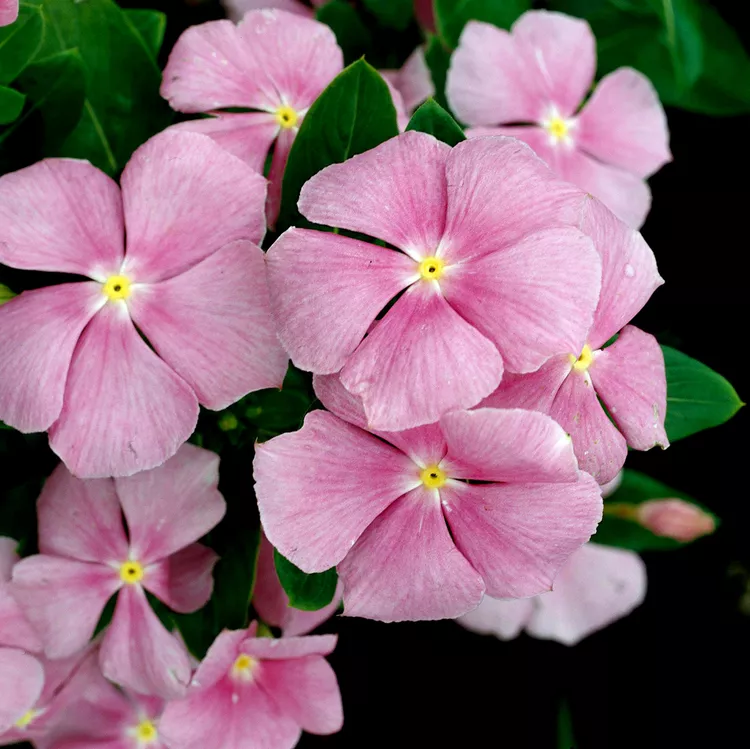
What’s not to love about annual vinca? An array of colorful blooms held above glossy foliage is a win for any situation. One of annual vinca’s claims to fame is its ability to perform spectacularly on even the hottest summer days.
Vinca flowers are suspended over glossy, emerald-green foliage. Many cultivars are described as “with eye.” These varieties feature one color in the center of the bloom that fades out to a main color. Flower colors can be pink, red, white, or purple.
Even though newer varieties of annual vinca are small, the amount of blooms produced on one plant has nearly doubled. The smaller size of these newer varieties makes the plants easier to manage and well-suited for container plantings.
All parts of annual vinca (Catharanthus roseus) are toxic and should be kept away from children and pets.
Annual Vinca Overview
| Genus Name | Catharanthus roseus |
| Common Name | Annual Vinca |
| Plant Type | Annual |
| Light | Sun |
| Height | 6 to 12 inches |
| Width | 8 to 36 inches |
| Flower Color | Pink, Purple, Red, White |
| Season Features | Fall Bloom, Summer Bloom |
| Special Features | Good for Containers, Low Maintenance |
| Zones | 10, 11, 2, 3, 4, 5, 6, 7, 8, 9 |
| Propagation | Seed, Stem Cuttings |
| Problem Solvers | Drought Tolerant |
Where to Plant Annual Vinca
Annual vinca plants are native to Madagascar and need well-draining soil in a sunny location. These plants can be trailing or upright. Trailing vincas are a great option for spilling out of a container or hanging basket. Trailing varieties are also useful as groundcovers and in beds and borders. Upright varieties work well as mass plantings, especially in landscapes where you want a big impact with little maintenance.
How and When to Plant Annual Vinca
Plant young seedlings after the last frost of spring when nighttime temperatures remain above freezing. Position them at the same depth they were in their containers. If you use the vincas in a bed or border, position them 8 inches apart. If they are for groundcover for a larger area, position them 12 to 18 inches apart.
If you are growing annual vincas from seed, sow them in a seed-starting medium 10 to 12 weeks before the last frost date in spring. Cover them with plastic and keep them in a location where the temperature will stay at around 75°F. Supplement with a grow light if needed. After 7-21 days, they should have at least two pairs of true leaves. Place the containers in a sheltered place for a week to harden off the seedlings before planting them outside after all danger of frost has passed.
Annual Vinca Care Tips
Annual vinca is an easy-care plant that needs little attention to flourish.
Light
Full sun is best, but annual vincas can handle partial shade as long as there’s good air circulation.
Soil and Water
Well-draining garden soil enriched with compost is ideal for annual vincas, but they grow even in poor soil. If you grow annual vincas in containers, use commercial potting soil rather than garden soil, since commercial potting soil has better drainage. Water regularly when the top 2 inches of soil are dry, but don’t overwater. Annual vincas tolerate drought but not overwatering.
Fertilizer
Fertilize monthly for the best bloom production. Use a balanced product, such as 10-10-10, applied in either a granular or liquid form. Follow product label instructions for the amount to use.
Pests and Problems
Pests and diseases are not much of a problem with annual vincas, but if an area lacks sufficient air circulation or poor drainage, the plant can develop fungal problems, including stem rot and leaf rot. To improve air circulation, make sure there’s room behind and under annual vinca for air to move around the plant.
How to Propagate Annual Vinca
To start vinca from seed, sow and cover the seed with a light layer of soil. Keep the soil consistently moist during germination. Keep vincas out of cold areas; the plants will be slow to start without the heat they know and love. Vincas can also be started from cuttings, but they require high humidity and bottom heat to start.
Types of Annual Vinca
‘Jaio Dark Red’
Catharanthus ‘Jaio Dark Red’ produces rich magenta-red flowers on 1-foot-tall plants.
‘Mediterranean Deep Rose’
Catharanthus ‘Mediterranean Deep Rose’ produces rich magenta-rose flowers on trailing plants perfect for containers.
‘Pacifica Burgundy Halo’
Catharanthus ‘Pacifica Burgundy Halo’ produces deep red-pink flowers with a large white eye. It grows 12 inches tall.
‘Pacifica Punch’
Catharanthus ‘Pacifica Punch’ is an award-winning selection that produces deep rose-pink flowers with a magenta eye. It grows 12 inches tall.
‘Pretty in Pink’
Catharanthus ‘Pretty in Pink’, an award-winning variety, offers soft pink flowers on compact 1-foot-tall plants.
‘Pretty in White’
Catharanthus ‘Pretty in White’ bears large, pure-white flowers on compact plants.
‘Tropical Rose’
Catharanthus ‘Tropical Rose’ produces large, bold magenta-red flowers on compact plants.
Annual Vinca Companion Plants
Angelonia
Angelonia is also called summer snapdragon, and once you get a good look at it, you’ll know why. It has salvia-like flower spires that reach 1 to 2 feet high, but they’re studded with fascinating snapdragon-like flowers with beautiful colorations in purple, white, or pink. This tough plant blooms all summer long, with its spikes of blooms adding bright color to hot, sunny spaces. While all varieties are beautiful, keep an eye out for the sweetly scented selections. If you have a bright, sunny spot indoors, you can keep it flowering all winter.
Most gardeners treat angelonia as an annual, but it is perennial in USDA Zones 9-10.
Calibrachoa (Million Bells)
Like a tiny petunia on steroids, calibrachoa (also called million bells) grows and flowers at an amazing rate. Often confused for a petunia, million bells makes a splash no matter where you put it in the garden. It is perfect for containers or hanging baskets but also can be tucked into the front of a border where it will spill out onto a sidewalk or patio. It may be the ultimate “spiller” for container gardens as long as you give it ample water and fertilizer, which it needs to fuel its astounding growth. Shown here is Calibrachoa ‘MiniFamous Compact Red’. Zones 9-11
Lisianthus
Lisianthus flowers make people ooh and ahh. Some varieties of this annual look like a blue rose. It’s such an elegant flower; you’d never guess it’s native to American prairies. Lisianthus is one of the best cut flowers—it lasts in the vase for two to three weeks—but it can be challenging to grow. They’re tricky to start from seed, so stick with established seedlings. Plant them in rich, well-drained soil in full sun after all danger of frost has passed. Keep moist, but don’t overwater. Taller varieties of lisianthus often need staking to keep their long stems from breaking, but newer dwarf varieties are more carefree. Zones 8-10
Garden Plans for Annual Vinca
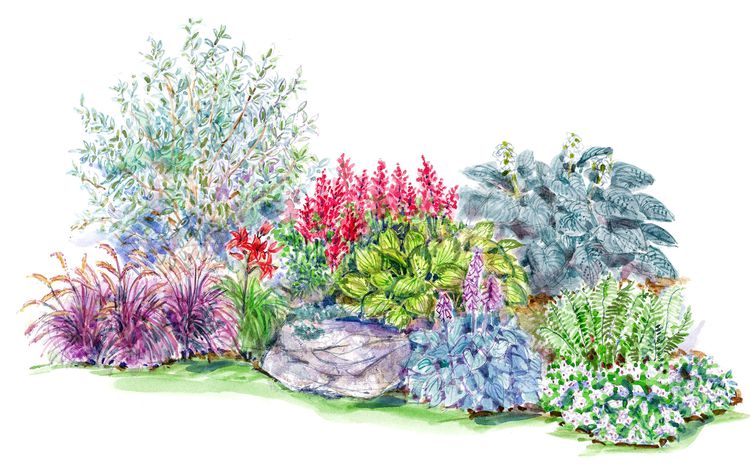
Hot-Summer Garden Plan
Maintenance is a breeze with this heat-resistant, high-color garden plan. Follow our guide to get the look in your green space.