How and When to Plant Gladiolus Bulbs

25.9K
1.8K
181
2025-10-23
How and When to Plant Gladiolus Bulbs

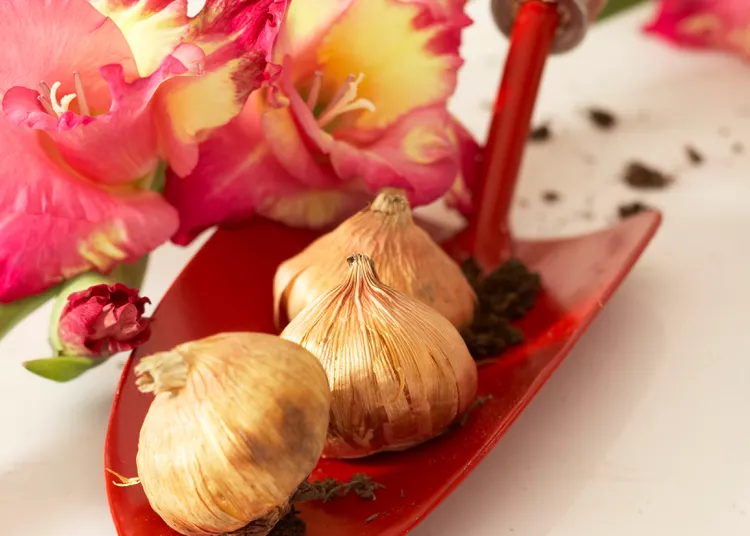
Knowing how and when to plant gladiolus bulbs is key to successfully growing these beautiful perennial flowers in your garden. Gladiolus varieties come in a range of hues, and some can grow up to 5 feet tall. But first you have to start with the small, plain-looking bulbs. This guide provides step-by-step instructions for planting gladiolus bulbs, and provides essential tips on choosing the best types to plant, site preparation, and what to do with the bulbs before winter.

Gladiolus bulbs are not actually true bulbs like tulips and daffodils. Botanically they are called ”corms,” which are structured differently than true bulbs. Both types of underground storage organs are treated similarly in gardens, so for simplicity, this article will just use the term "bulb."

Choosing Gladiolus Bulbs

Buying gladiolus bulbs from a reputable online garden shop or local nursery is an excellent option to ensure you get high-quality bulbs. You'll also find a wider selection of varieties to choose from than you might at a brick-and-mortar store. There are plenty of varieties of gladiolus to plant in your garden, but here are a few popular ones to look for:

  • ‘Black Beauty’ is a sought-after choice for its dark red flowers and the four-week blooming time. These flowers attract hummingbirds and are deer-resistant. The stunning flower stalks are especially striking in cut flower arrangements. It blooms from mid-summer to frost.
  • ‘Priscilla’ produces tri-colored flowers in white, pastel yellow, and pink hues. It's easy to maintain and makes an excellent cut flower. It blooms all summer and is a favorite of hummingbirds and butterflies.
  • ‘Yellowstone’ has bright yellow flowers on 5-foot-tall stalks. The cheerful blooms are long-lasting as cut flowers and stand-out in the back of a garden bed.

Preparing the Planting Site

Gladiolus bulbs need full sun, so plant them in an area that receives six to eight hours of sunlight daily. Plant them in well-draining soil that is amended with compost. Compost adds nutrients to the soil and helps retain moisture. Consider growing gladiolus in raised beds if you have heavy or clay soil. Prepare the soil by turning it over and loosening it. Add a couple of inches of compost and mix it in.  

When to Plant Gladiolus Bulbs

Gladiolus bulbs are planted in spring after the last possible frost in your area. The soil should be around 55°F. If you plant when the soil is too cold, the bulbs may rot before they have a chance to sprout.

Planting Steps

Before planting, inspect the bulbs you have to ensure they look healthy and are free of disease or pests. Toss out any bulbs that are soft or damaged. To plant your healthy gladiolus bulbs, follow these steps:

  1. Dig a small hole about 4 inches deep into the soil.
  2. Place one bulb, pointed side up, into the hole.
  3. Fill in the hole with the soil you removed.
  4. Repeat this process until all your bulbs are planted, making sure to space the bulbs 6 to 8 inches apart.
  5. Water the soil thoroughly after the gladiolus bulbs are planted.
  6. Apply a 2-inch layer of mulch over the planted bulbs to help keep moisture in the soil and suppress weeds.

Tips for Planting Gladiolus Bulbs

Gladiolus look best when planted in groups of 10 or more bulbs. Different varieties bloom a different times in the season, and some are done after a couple of weeks, while others continue to bloom through the summer. To extend the period of time when you will have glads blooming in your garden, choose varieties that have different seasons of bloom, and plant more groups of bulbs every two weeks into early summer.

Storing Gladiolus Bulbs for Winter

In general, gladioli are winter hardy in USDA Zones 8–10, and can be left in the ground in these regions. But if you live in a colder climate, plan to lift gladiolus bulbs from the ground at the end of summer or in early fall to store them over the winter.

You’ll know the bulbs are ready to be removed when the foliage begins to turn yellow. Carefully dig out the bulbs and shake or brush off any excess soil. Cut off the leaves and stem about an inch above the bulb, and let the bulb dry for a couple of weeks in a dry, ventilated area. The temperature should be around 60°F to 70°F.

When the bulbs are dry, place them in a mesh bag so air flows easily around them. Store them in a cool, dry, dark area so they stay dormant until you’re ready to plant them in the spring. A basement. garage, or root cellar may provide the ideal place to store gladiolus bulbs for the winter.

Article "tagged" as:

Related Article

How to Prune 12 Common Types of Evergreen Shrubs and Trees
24.3K
1.9K
388

How to Prune 12 Common Types of Evergreen Shrubs and Trees

Use these tips on pruning evergreens like boxwood, yews, and junipers so they don't become overgrown messes.
Expert Tips for Growing and Designing With Beautiful Boxwood
11K
219
72

Expert Tips for Growing and Designing With Beautiful Boxwood

With our boxwood garden ideas, you'll create durable changes to your landscaping. Boxwoods, a type of evergreen, are an elegant addition to a formal garden. Learn how to care for boxwood, so that your boxwood garden thrives.
How to Plant and Grow Eucalyptus
5.9K
410
168

How to Plant and Grow Eucalyptus

Learn to grow eucalyptus with our complete guide. Eucalyptus varieties are known for their potent essential oils and heady fragrance.
6 Surprising Benefits of Planting Trees
10.9K
218
80

6 Surprising Benefits of Planting Trees

Learn how planting trees can transform your environment and improve your quality of life.
This Bold Woodland Garden Plan Brims with Color and Texture
30.1K
301
75

This Bold Woodland Garden Plan Brims with Color and Texture

Filled with easy-care plants, this bold woodland garden plan design is perfect for livening up a spot under a tree's canopy.
This No-Fuss Shade Garden Plan Is Your Fix for Bare Spots Under Trees
25.4K
507
187

This No-Fuss Shade Garden Plan Is Your Fix for Bare Spots Under Trees

Featuring a mix of easy-care plants, this no-fuss shade garden plan is the perfect way to add color to a shaded spot in your yard.
This Cozy Corner Garden Plan Will Brighten Up an Unused Spot in Your Yard
35.3K
1.8K
212

This Cozy Corner Garden Plan Will Brighten Up an Unused Spot in Your Yard

This cozy corner garden plan will create a pocket of color in the unused spots in your yard.
How to Plant and Grow Pineapple Sage
42K
2.9K
853

How to Plant and Grow Pineapple Sage

Read this guide to learn how to plant and grow pineapple sage in herb gardens or pollinator habitats!
Got Yellow Leaves on Tomato Plants? 9 Reasons Why and How to Fix It
1.2K
106
24

Got Yellow Leaves on Tomato Plants? 9 Reasons Why and How to Fix It

If you see yellow leaves on tomato plants, here's how to diagnose and fix the problem.
10 Best Companion Plants for Zucchini
8.7K
521
224

10 Best Companion Plants for Zucchini

Keep your zucchini plants healthy and naturally pest-free with these top companion plants that include veggies, flowers, and herbs.
How to Create Beautiful Tropical Planters and Container Gardens
39.4K
788
275

How to Create Beautiful Tropical Planters and Container Gardens

Bring the bold, graphic foliage of plants from the tropics to your home with one of our nine favorite tropical container combinations.
How to Grow and Care for Cordyline Plants in Your Garden or Home
27.5K
1.4K
247

How to Grow and Care for Cordyline Plants in Your Garden or Home

Learn how to plant and care for cordyline to add a tropical feel to your garden or home, including watering, light, and soil requirements.
How to Plant and Care for a String of Pearls Plant
38.3K
3.4K
379

How to Plant and Care for a String of Pearls Plant

Find out how to propagate, water, and take care of a string of pearls plant.
10 Smart Money-Saving Strategies When Shopping for Plants
2.7K
215
98

10 Smart Money-Saving Strategies When Shopping for Plants

From purchasing seeds instead of full grown plants to shopping seasonally and at local sales, here are some of the best ways to reduce costs when buying plants. Purchasing plants from local farms and looking for plants that can be divided are some of the other ways experts suggest reducing your plant spending.
18 Essential Elements of Authentic Japanese Garden Design
44.1K
3.5K
1.4K

18 Essential Elements of Authentic Japanese Garden Design

These Japanese garden designs are relaxing and serene. Try our Japanese garden ideas for a peaceful ambiance in your backyard.
How to Make a DIY Hummingbird Feeder with a Mason Jar
16.9K
1.5K
364

How to Make a DIY Hummingbird Feeder with a Mason Jar

Attract hummingbirds with this easy mason jar hummingbird feeder project that comes together in just a few steps.
The 10 Best Low-Maintenance Perennials for Southern Gardens
8.7K
693
339

The 10 Best Low-Maintenance Perennials for Southern Gardens

The best perennials for southern gardens are low-maintenance and a cinch to grow.
How to Make Easy Concrete Planters for Your Garden
33.1K
3K
297

How to Make Easy Concrete Planters for Your Garden

DIY concrete planters are simple to make with this step-by-step guide. Plus get design ideas and tips for using your new planters.
25 Outdoor Succulent Container Ideas that Resist Heat and Drought
16.3K
1.3K
611

25 Outdoor Succulent Container Ideas that Resist Heat and Drought

These outdoor succulent container ideas feature not only dramatic arrangements, but resistance to heat and drought.
How to Make an Adorable Broken Pot Fairy Garden in 4 Easy Steps
32.1K
2.6K
974

How to Make an Adorable Broken Pot Fairy Garden in 4 Easy Steps

A broken pot fairy garden is a great solution for using up damaged garden pots. Make use of a cracked terra-cotta pot by transforming it into a sweet fairy garden container overflowing with moss and a variety of succulents.