How to Plant and Grow Watercress

32.4K
3.2K
1.6K
2025-11-04
How to Plant and Grow Watercress

Watercress (Nasturtium officinale) is famous for its peppery taste and rapid growth. This perennial plant grows in damp locations and can be started in the home garden from seeds, divisions, or cuttings. It's a cut-and-come-again plant providing repeated servings of greens for salads, sandwiches, and soups. 

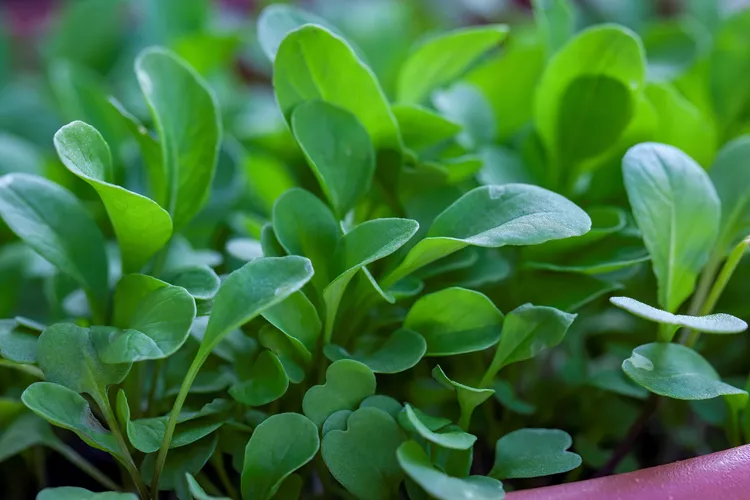
Perhaps the easiest way to grow watercress at home is not in the ground but in pots. While a suitable wet location safe from rabbits and deer may be challenging to create in the yard, watercress is relatively easy to grow as microgreens or as full-sized indoor plants for cut and come again harvest year-round. You need only a few pots, clean water, a nutrient solution, and light.

Note: Watercress is toxic to dogs, cats, and horses.

Watercress Overview

Genus Name Nasturtium officinale
Common Name Watercress
Additional Common Names Water Cress
Plant Type Herb, Perennial
Light Part Sun, Sun
Height 4 to 18 inches
Width 4 to 8 inches
Flower Color White
Foliage Color Blue/Green
Zones 5, 6, 7, 8, 9
Propagation Division, Seed, Stem Cuttings

Where to Plant Watercress

In nature, watercress is a semi-aquatic plant growing in wet soil along cold, clear waters of flowing streams. It also grows along pond edges and ditches in gravelly soil.

If you grow watercress outdoors, be careful not to introduce it to nearby ponds or waterways. The U.S. Forest Service lists watercress as invasive and noxious in 46 states.

Whether growing outdoors in the garden or indoors, you need to recreate a wet habitat with moist growing medium and plenty of clean, cool water. 

A small hydroponic system is best when growing watercress indoors, but the setup can be as simple as a plastic salad box (like spinach or lettuce is sold in), a tub for the plastic box to sit in, a few hydroponic rocks purchased online, and some light. A small growing station with supplemental lighting on a timer provides all the light watercress needs. 

How and When to Plant Watercress 

Watercress can be started from seed and grown as microgreens or salad greens or planted outdoors for tasty, attractive foliage. Rockwool makes starting seeds easier, and the entire plug can be potted up or planted in a bed. 

Sow seeds on the surface and lightly cover them with seed-starting mix or push them about a ¼ inch deep. The seeds are tiny but can be picked up individually by moistening the end of a toothpick and then touching the toothpick to the seed. Then, wipe the seed off the toothpick and onto the seed-starting medium.

Start seeds anytime for indoor growing or three to four weeks before your last spring frost for transplanting outdoors later. 

Watercress Care Tips

Watercress is easy to grow, with the only difficulty being providing adequate water when it is growing outdoors. Simulate its natural environment, and it will grow rapidly and well.

Light

Watercress does best and grows fastest in full sun but will also grow well in partial sun. Avoid areas of heavy shade. This is a cool-season plant, so choose a location with morning sun and afternoon shade in the heat of summer.

Soil and Water

Rich, organic soil is best when growing watercress in pots or a garden bed outdoors. Watercress tolerates a range of pH levels but prefers water and soil that are slightly alkaline. Watercress grows in and around water in nature and needs to be kept in wet conditions. Keep the soil or medium damp, if not wet. 

For microgreens, water from the bottom and don't allow the medium to dry.

Temperature and Humidity

High humidity is best. If your location experiences excessively dry air, you may need to cultivate watercress indoors. When growing watercress as a microgreen, keep the temperature at about 65°F to 75°F. Outdoors, mature watercress does fine in temperatures above freezing.

Fertilizer

Watercress grown outdoors to maturity in rich, organic soil does not require fertilizer. Fertilize watercress grown indoors with a hydroponic nutrient solution, following the instructions on the label.

Pests and Problems

Watercress doesn't suffer from many disease issues. Common pests like snails, rabbits, and munching caterpillars can be problems outdoors. For indoor watercress, algae buildup due to nutrients in the water solution (fertilizing) can be problematic and may require cleaning the pots and media every few months.

How to Propagate Watercress

Seed: Start watercress from seed by preparing a moist substrate indoors or in a garden bed. Scatter the seeds and lightly cover them. The seeds are tiny, so don't bury them more than a ¼ inch deep. Keep the starting mix moist (but not drowning).

Division: Watercress can be easily divided and replanted. To do so, tease the stems apart and separate a section of roots and vegetation. Transfer the division to a new pot or location and provide water. 

Cutting: Take a cutting from an actively growing plant. A 6-inch cutting works well. Use clean, chlorine-free water. If your municipality treats your water, set it on the counter for 24 hours to let the chlorine dissipate. The stem will start to root in about a week.

Harvesting Tips for Watercress

Watercress flavor is best when you harvest it before the plant blooms. For mature plants, cut back the stems, leaving about 4 inches remaining to begin new growth. For microgreens, harvest watercress at the desired size, usually 1 to 2 inches tall, with a knife or scissors. 

Both the stems and leaves are edible, but thicker stems can be tough. Harvest watercress frequently to keep the new growth tender. 

Frequently Asked Questions

  • Can you plant watercress from the grocery store?

    Absolutely. Choose watercress that has intact roots, and plant it like you would a divided section—in some rocks covered in water in a container.

  • What is the best container for watercress?

    Just about any container will do, as long as holes allow water movement. Unlike most plants we grow in containers, watercress likes its feet wet. The pot-within-a-tub method is an easy way to provide your watercress plants with all the moisture they need.

  • Can I grow watercress in a jar?

    Watercress can grow in a jar with a gravelly substrate like hydroponic rocks. Change the water every three to four days.

Sources
Better Homes & Gardens is committed to using high-quality, reputable sources—including peer-reviewed studies—to support the facts in our articles. Read about our editorial policies and standards to learn more about how we fact check our content for accuracy.
  1. Nasturtium (Watercress). ASPCA

  2. Watercress (Nasturtium officinale). U.S. Forest Service

Related Article

How to Prune 12 Common Types of Evergreen Shrubs and Trees
24.3K
1.9K
388

How to Prune 12 Common Types of Evergreen Shrubs and Trees

Use these tips on pruning evergreens like boxwood, yews, and junipers so they don't become overgrown messes.
Expert Tips for Growing and Designing With Beautiful Boxwood
11K
219
72

Expert Tips for Growing and Designing With Beautiful Boxwood

With our boxwood garden ideas, you'll create durable changes to your landscaping. Boxwoods, a type of evergreen, are an elegant addition to a formal garden. Learn how to care for boxwood, so that your boxwood garden thrives.
How to Plant and Grow Eucalyptus
5.9K
410
168

How to Plant and Grow Eucalyptus

Learn to grow eucalyptus with our complete guide. Eucalyptus varieties are known for their potent essential oils and heady fragrance.
6 Surprising Benefits of Planting Trees
10.9K
218
80

6 Surprising Benefits of Planting Trees

Learn how planting trees can transform your environment and improve your quality of life.
This Bold Woodland Garden Plan Brims with Color and Texture
30.1K
301
75

This Bold Woodland Garden Plan Brims with Color and Texture

Filled with easy-care plants, this bold woodland garden plan design is perfect for livening up a spot under a tree's canopy.
This No-Fuss Shade Garden Plan Is Your Fix for Bare Spots Under Trees
25.4K
507
187

This No-Fuss Shade Garden Plan Is Your Fix for Bare Spots Under Trees

Featuring a mix of easy-care plants, this no-fuss shade garden plan is the perfect way to add color to a shaded spot in your yard.
This Cozy Corner Garden Plan Will Brighten Up an Unused Spot in Your Yard
35.3K
1.8K
212

This Cozy Corner Garden Plan Will Brighten Up an Unused Spot in Your Yard

This cozy corner garden plan will create a pocket of color in the unused spots in your yard.
How to Plant and Grow Pineapple Sage
42K
2.9K
853

How to Plant and Grow Pineapple Sage

Read this guide to learn how to plant and grow pineapple sage in herb gardens or pollinator habitats!
Got Yellow Leaves on Tomato Plants? 9 Reasons Why and How to Fix It
1.2K
106
24

Got Yellow Leaves on Tomato Plants? 9 Reasons Why and How to Fix It

If you see yellow leaves on tomato plants, here's how to diagnose and fix the problem.
10 Best Companion Plants for Zucchini
8.7K
521
224

10 Best Companion Plants for Zucchini

Keep your zucchini plants healthy and naturally pest-free with these top companion plants that include veggies, flowers, and herbs.
How to Create Beautiful Tropical Planters and Container Gardens
39.4K
788
275

How to Create Beautiful Tropical Planters and Container Gardens

Bring the bold, graphic foliage of plants from the tropics to your home with one of our nine favorite tropical container combinations.
How to Grow and Care for Cordyline Plants in Your Garden or Home
27.5K
1.4K
247

How to Grow and Care for Cordyline Plants in Your Garden or Home

Learn how to plant and care for cordyline to add a tropical feel to your garden or home, including watering, light, and soil requirements.
How to Plant and Care for a String of Pearls Plant
38.3K
3.4K
379

How to Plant and Care for a String of Pearls Plant

Find out how to propagate, water, and take care of a string of pearls plant.
10 Smart Money-Saving Strategies When Shopping for Plants
2.7K
215
98

10 Smart Money-Saving Strategies When Shopping for Plants

From purchasing seeds instead of full grown plants to shopping seasonally and at local sales, here are some of the best ways to reduce costs when buying plants. Purchasing plants from local farms and looking for plants that can be divided are some of the other ways experts suggest reducing your plant spending.
18 Essential Elements of Authentic Japanese Garden Design
44.1K
3.5K
1.4K

18 Essential Elements of Authentic Japanese Garden Design

These Japanese garden designs are relaxing and serene. Try our Japanese garden ideas for a peaceful ambiance in your backyard.
How to Make a DIY Hummingbird Feeder with a Mason Jar
16.9K
1.5K
364

How to Make a DIY Hummingbird Feeder with a Mason Jar

Attract hummingbirds with this easy mason jar hummingbird feeder project that comes together in just a few steps.
The 10 Best Low-Maintenance Perennials for Southern Gardens
8.7K
693
339

The 10 Best Low-Maintenance Perennials for Southern Gardens

The best perennials for southern gardens are low-maintenance and a cinch to grow.
How to Make Easy Concrete Planters for Your Garden
33.1K
3K
297

How to Make Easy Concrete Planters for Your Garden

DIY concrete planters are simple to make with this step-by-step guide. Plus get design ideas and tips for using your new planters.
25 Outdoor Succulent Container Ideas that Resist Heat and Drought
16.3K
1.3K
611

25 Outdoor Succulent Container Ideas that Resist Heat and Drought

These outdoor succulent container ideas feature not only dramatic arrangements, but resistance to heat and drought.
How to Make an Adorable Broken Pot Fairy Garden in 4 Easy Steps
32.1K
2.6K
974

How to Make an Adorable Broken Pot Fairy Garden in 4 Easy Steps

A broken pot fairy garden is a great solution for using up damaged garden pots. Make use of a cracked terra-cotta pot by transforming it into a sweet fairy garden container overflowing with moss and a variety of succulents.