How to Plant and Grow a Cardamom Plant

22.8K
682
75
2025-11-06
How to Plant and Grow a Cardamom Plant

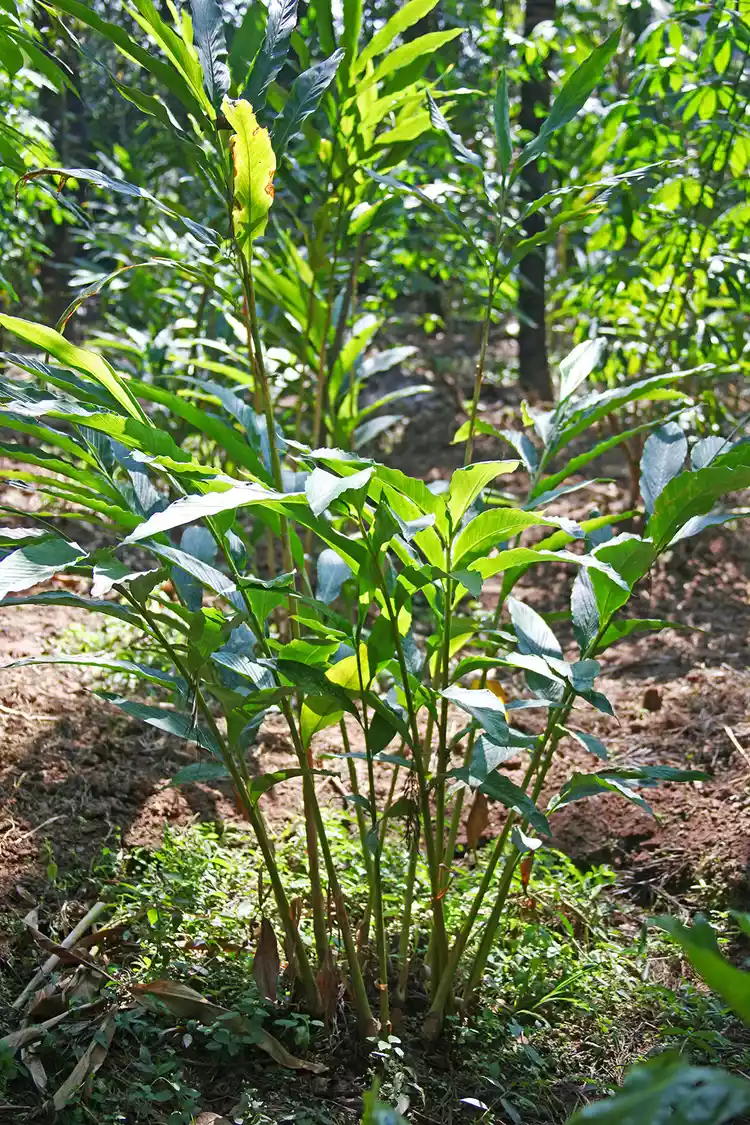
The beautiful perennial herb cardamom flowers in early spring through summer and produces edible pods and seeds to flavor desserts, meats, and teas. Even when the popular tropical cardamom plant isn't flowering, its mounds of lush leaves add interest to a tropical container garden or greenhouse. Its straw-like leaf sheaths start small, grow larger, then open like flowers.

This rainforest native requires constant warmth and high humidity, so it can be tricky to grow this spice outdoors in many regions of the United States. Cardamom should be brought indoors to overwinter, and it can work as a houseplant. However, it rarely flowers when grown in a container, so it won't produce flavorful seeds indoors for your culinary creations. You'll also need to give this plant plenty of space—it can grow from 6 feet to 16 feet tall. Cardamom grows like ginger, with flowers and pods produced low on the plant with the help of insect or hand-pollination.

Cardamom Overview

Genus Name Elettaria cardamomum
Common Name Cardamom
Plant Type Herb, Perennial
Light Part Sun
Height 6 to 15 Feet
Width 4 to 10 Feet
Flower Color White
Foliage Color Blue/Green
Season Features Winter Interest
Zones 10, 11
Propagation Division

Where to Plant Cardamom

Plant cardamom under the shade of tall trees in hot, humid, consistently moist, tropical rainforest conditions where daily temperatures infrequently dip below 72°F. Cardamom will only survive outdoors in the warmest parts of North America. If outdoor temperatures drop below 50°F, the plant will suffer significantly.

Cardamom plants can be wintered indoors in containers in a warm, humid environment, such as a steamy bathroom. The plants, however, will not flower or produce fruit when grown indoors in pots. The plant grows tall by layered leaf sheaths and flowers in two or three years. It will reach its full production after four years and continue producing for 10-15 years.

Guatemala is the largest producer of cardamom, with global export production. Large quantities are also grown in India. The plant is native to Ceylon and India and is frequently used in Indian and Asian cuisines. Its height can range from 6-16 feet before it puts out pods.

Cardamom Care Tips

This rainforest native requires constant warmth and high humidity, so it can be tricky to grow this spice outdoors in most regions of the United States.

Light

Plant cardamom plants in a partly shady spot outdoors or indoors near a sunny window without supplemental electric lights. Direct sun must be avoided.

Soil and Water

Cardamom prefers humus-rich soil that is slightly on the acidic side. The soil must remain moist for cardamom plants to thrive, so water the plant regularly. Misting cardamom plants frequently will help simulate their native rainforest-type growing conditions.

Temperature and Humidity

When growing cardamom outdoors or indoors, you’ll need to ensure temperatures are above 50°F. When grown indoors as a foliage plant, place the pot on a large saucer of constantly moist pebbles to increase humidity around the plant. 

Harvesting Cardamom

Flowering begins in early spring and lasts through summer. After 120-plus days, the pods mature. Harvest the pods before they split open and when the seeds inside the pod are dark brown to black. You’ll know when the pods are ready to be picked because they will twist off easily in your hand (the immature pods will hang on tight). After removing the pods, rinse them quickly in cold water. Dry them on a baking sheet in your oven or in your dehydrator at 90°F–125°F.

Potting and Repotting Cardamom

To grow cardamom plants in pots, select a wide and deep container to retain moisture and accommodate the plant’s large size. Make sure the plant also has plenty of space to grow vertically after its third year. To keep the soil level, use compost tea weekly and top off containers with compost, leaf mulch, or light wood mulch.

Pests and Problems

Thrips are cardamom’s primary pest. You can recognize thrip damage on cardamom by the corky layer of injured tissue that looks like scales on the plant’s capsules. The insect causes shriveled capsules with gaping slits while it sucks on the capsule’ sap—the condition is known as “cardamom itch.” Although the insect’s damage looks ugly, using insecticides is not justified since the thrips that caused the damage are usually gone by the time the plant damage is noticed. The most effective way to prevent thrip infestation is to use row covers.

How to Propagate Cardamom

Dividing Old Cardamom Plants

You can propagate new cardamom plants by dividing old plants. Do this by loosening the soil around the parent plant and lifting its roots from the ground. Then separate a plant segment with 4 to 5 leaf sheaths, and plant it in a new area. Replant the rest of the old plant in the same spot.

Growing Cardamom from Seed

You can grow cardamom from seed. Sow seeds ¼ inch deep in 70°F-80°F. Keep soil moist until seeds germinate in about 20-45 days. Be sure to plant extras because germination rates tend to be low.

Frequently Asked Questions

  • How long does it take to grow cardamom?

    It usually takes cardamom at least three years to produce capsules that contain seeds. It may even take up to 5 years until the plants bloom. Look for the plants to start flowering in early spring and continue to blossom through the end of summer. The flowers hold capsules that have 15 to 20 cardamom seeds inside of them. The capsules can be harvested when they begin to turn green.

  • Is cardamom easy to grow?

    If you live in USDA Hardiness Zones 10 to 12, cardamom can easily be grown as an outdoor perennial. The plant can also be grown indoors. Just make sure your growing location has a tall ceiling because cardamom can grow up to 10 feet high. You’ll also need to monitor your container-grown plants to make sure they don’t become root bound and stop blooming. If you don’t mind watering and nurturing your cardamom plant for at least three years before it blooms, you can look forward to years of harvesting cardamom for all your baking and cooking needs.

Related Article

How to Prune 12 Common Types of Evergreen Shrubs and Trees
24.3K
1.9K
388

How to Prune 12 Common Types of Evergreen Shrubs and Trees

Use these tips on pruning evergreens like boxwood, yews, and junipers so they don't become overgrown messes.
Expert Tips for Growing and Designing With Beautiful Boxwood
11K
219
72

Expert Tips for Growing and Designing With Beautiful Boxwood

With our boxwood garden ideas, you'll create durable changes to your landscaping. Boxwoods, a type of evergreen, are an elegant addition to a formal garden. Learn how to care for boxwood, so that your boxwood garden thrives.
How to Plant and Grow Eucalyptus
5.9K
410
168

How to Plant and Grow Eucalyptus

Learn to grow eucalyptus with our complete guide. Eucalyptus varieties are known for their potent essential oils and heady fragrance.
6 Surprising Benefits of Planting Trees
10.9K
218
80

6 Surprising Benefits of Planting Trees

Learn how planting trees can transform your environment and improve your quality of life.
This Bold Woodland Garden Plan Brims with Color and Texture
30.1K
301
75

This Bold Woodland Garden Plan Brims with Color and Texture

Filled with easy-care plants, this bold woodland garden plan design is perfect for livening up a spot under a tree's canopy.
This No-Fuss Shade Garden Plan Is Your Fix for Bare Spots Under Trees
25.4K
507
187

This No-Fuss Shade Garden Plan Is Your Fix for Bare Spots Under Trees

Featuring a mix of easy-care plants, this no-fuss shade garden plan is the perfect way to add color to a shaded spot in your yard.
This Cozy Corner Garden Plan Will Brighten Up an Unused Spot in Your Yard
35.3K
1.8K
212

This Cozy Corner Garden Plan Will Brighten Up an Unused Spot in Your Yard

This cozy corner garden plan will create a pocket of color in the unused spots in your yard.
How to Plant and Grow Pineapple Sage
42K
2.9K
853

How to Plant and Grow Pineapple Sage

Read this guide to learn how to plant and grow pineapple sage in herb gardens or pollinator habitats!
Got Yellow Leaves on Tomato Plants? 9 Reasons Why and How to Fix It
1.2K
106
24

Got Yellow Leaves on Tomato Plants? 9 Reasons Why and How to Fix It

If you see yellow leaves on tomato plants, here's how to diagnose and fix the problem.
10 Best Companion Plants for Zucchini
8.7K
521
224

10 Best Companion Plants for Zucchini

Keep your zucchini plants healthy and naturally pest-free with these top companion plants that include veggies, flowers, and herbs.
How to Create Beautiful Tropical Planters and Container Gardens
39.4K
788
275

How to Create Beautiful Tropical Planters and Container Gardens

Bring the bold, graphic foliage of plants from the tropics to your home with one of our nine favorite tropical container combinations.
How to Grow and Care for Cordyline Plants in Your Garden or Home
27.5K
1.4K
247

How to Grow and Care for Cordyline Plants in Your Garden or Home

Learn how to plant and care for cordyline to add a tropical feel to your garden or home, including watering, light, and soil requirements.
How to Plant and Care for a String of Pearls Plant
38.3K
3.4K
379

How to Plant and Care for a String of Pearls Plant

Find out how to propagate, water, and take care of a string of pearls plant.
10 Smart Money-Saving Strategies When Shopping for Plants
2.7K
215
98

10 Smart Money-Saving Strategies When Shopping for Plants

From purchasing seeds instead of full grown plants to shopping seasonally and at local sales, here are some of the best ways to reduce costs when buying plants. Purchasing plants from local farms and looking for plants that can be divided are some of the other ways experts suggest reducing your plant spending.
18 Essential Elements of Authentic Japanese Garden Design
44.1K
3.5K
1.4K

18 Essential Elements of Authentic Japanese Garden Design

These Japanese garden designs are relaxing and serene. Try our Japanese garden ideas for a peaceful ambiance in your backyard.
How to Make a DIY Hummingbird Feeder with a Mason Jar
16.9K
1.5K
364

How to Make a DIY Hummingbird Feeder with a Mason Jar

Attract hummingbirds with this easy mason jar hummingbird feeder project that comes together in just a few steps.
The 10 Best Low-Maintenance Perennials for Southern Gardens
8.7K
693
339

The 10 Best Low-Maintenance Perennials for Southern Gardens

The best perennials for southern gardens are low-maintenance and a cinch to grow.
How to Make Easy Concrete Planters for Your Garden
33.1K
3K
297

How to Make Easy Concrete Planters for Your Garden

DIY concrete planters are simple to make with this step-by-step guide. Plus get design ideas and tips for using your new planters.
25 Outdoor Succulent Container Ideas that Resist Heat and Drought
16.3K
1.3K
611

25 Outdoor Succulent Container Ideas that Resist Heat and Drought

These outdoor succulent container ideas feature not only dramatic arrangements, but resistance to heat and drought.
How to Make an Adorable Broken Pot Fairy Garden in 4 Easy Steps
32.1K
2.6K
974

How to Make an Adorable Broken Pot Fairy Garden in 4 Easy Steps

A broken pot fairy garden is a great solution for using up damaged garden pots. Make use of a cracked terra-cotta pot by transforming it into a sweet fairy garden container overflowing with moss and a variety of succulents.