When and How to Harvest Spinach at Its Peak

35.6K
1.8K
408
2025-10-18
When and How to Harvest Spinach at Its Peak

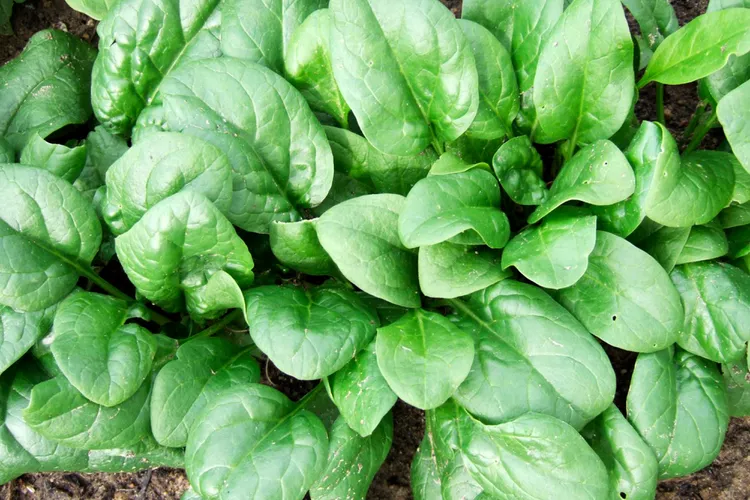
Spinach plants can be a challenge to grow in some vegetable gardens because they bolt quickly in hot weather. But if you time planting correctly and learn how to harvest spinach the right way, you can pick the tastiest crop of baby greens, mature spinach leaves, or spinach microgreens in spring, autumn, and possibly winter too. Find out how to extend your spinach harvest and gather the tastiest leaves right from your garden using the tips in this guide.

When to Harvest Spinach

When spinach plants will be ready to harvest varies depending on whether you’re growing spinach for microgreens or larger leaves.

  • Spinach microgreens grow quickly and they’re usually ready to pick about 7 to 14 days after
    sowing, or when the sprouts have developed their first seed leaves. Because they’re grown indoors, microgreens can be a great option if you want to enjoy spinach in winter.
  • Baby spinach leaves have a more delicate texture than mature leaves and they can be harvested about 20 to 35 days after planting, or when the leaves reach a usable size. Baby leaves are typically picked little by little as needed for recipes.
  • Mature spinach leaves usually have a more intense flavor than baby leaves and they’re harvested about 45 to 50 days after planting. Mature leaves can be harvested in either small quantities for cooking or larger quantities for freezing or drying.

Because it’s so cold hardy, spinach is usually planted in spring and harvested before summer arrives. Once the heat kicks in and days begin to lengthen, spinach plants start to bolt and their flavor turns bitter. However, you can extend your spinach harvest by planting spinach seeds in spring and planting a second crop of spinach in August for an autumn harvest. You can also sow cold hardy spinach varieties like ‘Winter Bloomsdale’ and potentially harvest outdoor spinach in winter too.

Spinach plants can handle a light frost, but they won’t survive a hard freeze without winter protection. To avoid wasting those tasty spinach greens, harvest unprotected plants before winter arrives and pick spinach in summer before temperatures soar and plants start to bolt. Most spinach plants will bolt when temperatures are above 75°F and plants receive 14 hours or more of sunlight per day.

Tips for Harvesting Spinach

Young spinach plants are typically harvested as cut-and-come-again greens, while mature spinach can be harvested little by little or all at once. Just keep in mind that spinach doesn’t last long in the fridge, so it’s best to harvest only what you can use right away.

If you just want a bit of spinach for cooking, harvest the outer leaves around these edible plants by clipping the leaves off the main plant with scissors or pinching them off with your fingers. Regularly harvesting spinach in this manner helps to prevent bolting and yellow leaves and it encourages spinach to produce new growth from the center of the plant. After harvesting, handle spinach leaves as gently as possible and bring them indoors as soon as you can to avoid damage and wilting.

When gathering baby spinach, it’s best to limit your harvest and not pick more than a fourth of the plant’s leaves in one go. This ensures that your plant will have enough energy to continue producing leaves. However, mature spinach plants can be harvested more aggressively.

Once your spinach plants are established, you can repeatedly harvest spinach leaves by picking a third of the plant’s leaves and taking another large harvest of leaves a few days later. Or you can harvest the entire plant at once by holding the leaves in one hand and cutting them off with a serrated knife about 1 to 2 inches above the soil line. After a large harvest of this sort, you can usually take a second, partial harvest of spinach leaves about 10 to 14 days later before the entire plant bolts.

Hot weather and long days will cause all spinach plants to bolt eventually, but you can slow down this process by watering often, growing spinach in light shade, and pinching away flower buds as soon as they appear. When spinach leaves start to elongate and the plant sends up a sturdy central stem, you’ll know your plant is about to bolt. Harvest the entire spinach plant when this occurs so the leaves don’t turn bitter.

How to Store Spinach

Once you learn how to harvest spinach from your garden, it's time to think about storage. First, sort through the leaves and toss any damaged or discolored spinach. Handle leaves with care to avoid bruising them and only wash spinach immediately before use. Excess moisture can cause spinach to turn slimy quickly.

Fresh spinach can be stored in the fridge for about 1 to 2 weeks by wrapping the leaves loosely in a dry paper towel and storing them inside a plastic baggie or sturdy container. For longer term storage, spinach leaves can be dried with a food dehydrator or they can be frozen and stored in the freezer for about a year. To preserve the color and texture of frozen spinach, blanch spinach leaves for 2 minutes, dry them with a salad spinner, and then flash freeze them on a baking sheet before storing them in an airtight freezer container.

Frequently Asked Questions

  • How much spinach do you get from one plant?

    The average spinach plant will produce about 25 full-sized leaves during its lifetime. However, you can increase your harvest size by taking regular, small harvests of leaves and growing plants in light afternoon shade to slow down bolting.

  • How do I stop my spinach from bolting?

    All spinach will eventually bolt, but you can slow down this process by harvesting often and pinching back flower buds as soon as they appear. Plants will bolt quicker when they’re heat- or water-stressed, so be sure to water often and shelter spinach from hot, bright sun.

  • What can I do with a large amount of spinach?

    Spinach leaves can be eaten raw in salads, or they can be frozen or dehydrated if you have a lot of extra leaves on hand. For more creative ways to use up extra spinach, try making spinach pesto, spinach pie or spanakopita, or spinach-parmesan dip.

Related Article

How to Prune 12 Common Types of Evergreen Shrubs and Trees
24.3K
1.9K
388

How to Prune 12 Common Types of Evergreen Shrubs and Trees

Use these tips on pruning evergreens like boxwood, yews, and junipers so they don't become overgrown messes.
Expert Tips for Growing and Designing With Beautiful Boxwood
11K
219
72

Expert Tips for Growing and Designing With Beautiful Boxwood

With our boxwood garden ideas, you'll create durable changes to your landscaping. Boxwoods, a type of evergreen, are an elegant addition to a formal garden. Learn how to care for boxwood, so that your boxwood garden thrives.
How to Plant and Grow Eucalyptus
5.9K
410
168

How to Plant and Grow Eucalyptus

Learn to grow eucalyptus with our complete guide. Eucalyptus varieties are known for their potent essential oils and heady fragrance.
6 Surprising Benefits of Planting Trees
10.9K
218
80

6 Surprising Benefits of Planting Trees

Learn how planting trees can transform your environment and improve your quality of life.
This Bold Woodland Garden Plan Brims with Color and Texture
30.1K
301
75

This Bold Woodland Garden Plan Brims with Color and Texture

Filled with easy-care plants, this bold woodland garden plan design is perfect for livening up a spot under a tree's canopy.
This No-Fuss Shade Garden Plan Is Your Fix for Bare Spots Under Trees
25.4K
507
187

This No-Fuss Shade Garden Plan Is Your Fix for Bare Spots Under Trees

Featuring a mix of easy-care plants, this no-fuss shade garden plan is the perfect way to add color to a shaded spot in your yard.
This Cozy Corner Garden Plan Will Brighten Up an Unused Spot in Your Yard
35.3K
1.8K
212

This Cozy Corner Garden Plan Will Brighten Up an Unused Spot in Your Yard

This cozy corner garden plan will create a pocket of color in the unused spots in your yard.
How to Plant and Grow Pineapple Sage
42K
2.9K
853

How to Plant and Grow Pineapple Sage

Read this guide to learn how to plant and grow pineapple sage in herb gardens or pollinator habitats!
Got Yellow Leaves on Tomato Plants? 9 Reasons Why and How to Fix It
1.2K
106
24

Got Yellow Leaves on Tomato Plants? 9 Reasons Why and How to Fix It

If you see yellow leaves on tomato plants, here's how to diagnose and fix the problem.
10 Best Companion Plants for Zucchini
8.7K
521
224

10 Best Companion Plants for Zucchini

Keep your zucchini plants healthy and naturally pest-free with these top companion plants that include veggies, flowers, and herbs.
How to Create Beautiful Tropical Planters and Container Gardens
39.4K
788
275

How to Create Beautiful Tropical Planters and Container Gardens

Bring the bold, graphic foliage of plants from the tropics to your home with one of our nine favorite tropical container combinations.
How to Grow and Care for Cordyline Plants in Your Garden or Home
27.5K
1.4K
247

How to Grow and Care for Cordyline Plants in Your Garden or Home

Learn how to plant and care for cordyline to add a tropical feel to your garden or home, including watering, light, and soil requirements.
How to Plant and Care for a String of Pearls Plant
38.3K
3.4K
379

How to Plant and Care for a String of Pearls Plant

Find out how to propagate, water, and take care of a string of pearls plant.
10 Smart Money-Saving Strategies When Shopping for Plants
2.7K
215
98

10 Smart Money-Saving Strategies When Shopping for Plants

From purchasing seeds instead of full grown plants to shopping seasonally and at local sales, here are some of the best ways to reduce costs when buying plants. Purchasing plants from local farms and looking for plants that can be divided are some of the other ways experts suggest reducing your plant spending.
18 Essential Elements of Authentic Japanese Garden Design
44.1K
3.5K
1.4K

18 Essential Elements of Authentic Japanese Garden Design

These Japanese garden designs are relaxing and serene. Try our Japanese garden ideas for a peaceful ambiance in your backyard.
How to Make a DIY Hummingbird Feeder with a Mason Jar
16.9K
1.5K
364

How to Make a DIY Hummingbird Feeder with a Mason Jar

Attract hummingbirds with this easy mason jar hummingbird feeder project that comes together in just a few steps.
The 10 Best Low-Maintenance Perennials for Southern Gardens
8.7K
693
339

The 10 Best Low-Maintenance Perennials for Southern Gardens

The best perennials for southern gardens are low-maintenance and a cinch to grow.
How to Make Easy Concrete Planters for Your Garden
33.1K
3K
297

How to Make Easy Concrete Planters for Your Garden

DIY concrete planters are simple to make with this step-by-step guide. Plus get design ideas and tips for using your new planters.
25 Outdoor Succulent Container Ideas that Resist Heat and Drought
16.3K
1.3K
611

25 Outdoor Succulent Container Ideas that Resist Heat and Drought

These outdoor succulent container ideas feature not only dramatic arrangements, but resistance to heat and drought.
How to Make an Adorable Broken Pot Fairy Garden in 4 Easy Steps
32.1K
2.6K
974

How to Make an Adorable Broken Pot Fairy Garden in 4 Easy Steps

A broken pot fairy garden is a great solution for using up damaged garden pots. Make use of a cracked terra-cotta pot by transforming it into a sweet fairy garden container overflowing with moss and a variety of succulents.