Your Guide to Apple Picking Season, Plus 7 Must-Know Apple Harvesting Tips

26.4K
1.6K
554
2025-11-10
Your Guide to Apple Picking Season, Plus 7 Must-Know Apple Harvesting Tips

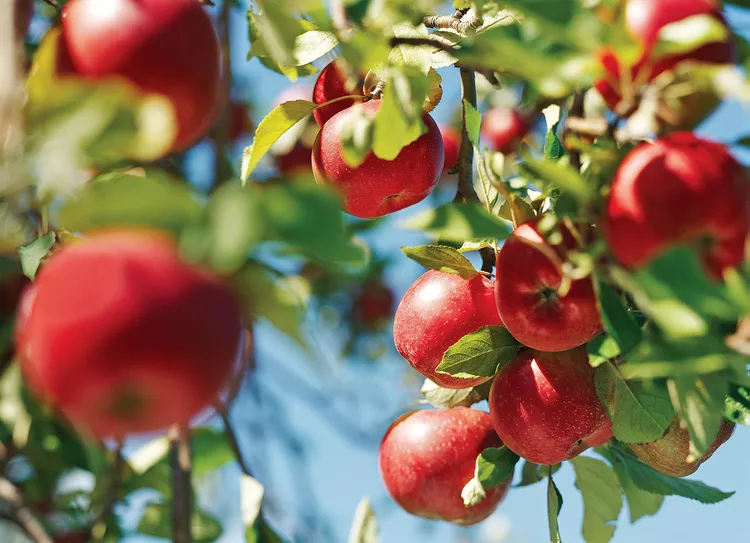
Armloads of freshly picked, perfectly ripe apples are an autumn treat. So exactly when is apple picking season? The answer is: it depends. A number of factors—from the variety of apple to recent rainfall to average summer temperature—combine to influence fruit ripening. Some types of apples are ready to harvest as early as July, while others develop their best flavor during the frosty days of autumn, ripening in October or November. Your window for harvesting apples can extend for several weeks or even months with the right mix of varieties. Use these 7 apple picking tips to enjoy this harvest season to its fullest.

1. Know Your Apple Trees

When apple picking from your own backyard orchard, you'll more easily be able to predict when to harvest the fruit if you know the varieties you're growing. Use the variety name to research the harvest window for the tree. This provides a general time when the fruit should be ripe. Keep in mind that the harvest window can vary by several weeks, depending on the weather. Daytime temperatures above 90℉ can speed up ripening by as much as two weeks, while cool, cloudy days will delay fruit maturing.

If you inherited an unknown tree or lost the name over the years, check with your local extension service. Often, there are only about 10 to 15 apple varieties commonly growing in a particular region. It's usually easy to figure out which one an unknown variety may be.

2. Find a Local Orchard

A local orchard is a wonderful place for an apple-picking adventure. To find an orchard near you, ask friends, inquire with vendors at your local farmer's market, and visit orangepippen.com for a list of orchards in your state. If you live near multiple orchards, visit several to experience a variety of apples and the unique flavors, colors, and textures they each offer.

3. Pick Based on Orchard Recommendation

Local orchards often showcase the specific apple varieties that are ready for harvesting. These are the apples that have developed their full flavor and texture. Most orchards grow several apple varieties to have a continuous and changing assortment of apples available for customers from August through late October. If the "ready for picking" varieties are not listed, ask the staff before you head out into the orchard. And if you're growing your own apple tree varieties, finding out when these same varieties are ripe for picking at your local orchards will help you know when to harvest your fruit.

4. Rely on Flavor, Not Color

When picking apples, don't be swayed by eye-pleasing fruit. Some apples develop their mature color before they ripen internally. While the apple skin might be rich red, indicating ripeness, the flesh is still ripening from sour and starchy to sweet and crisp. A taste-test is the best way to check ripeness. A ready-to-pick apple is firm, crisp, juicy, well-colored, and has a flavor characteristic of the variety.

5. Use a Gentle Tug

If an apple is ready to be picked, it should not require a lot of force to pluck from the tree. Gently hold the fruit in the palm of your hand with your thumb near the stem. Then twist and gently lift the apple upward to release the stem from the branch. Aim to harvest apples with their stems attached. An attached stem increases apple storage life. Avoid picking up apples that have fallen to the ground because they may be overly ripe. For fruit that's out of reach, an apple picker can make the job easier.

6. Keep Harvested Apples Cool

After apple picking, your fruit can be stored for weeks. Begin by setting aside any bruised or damaged apples. Bruised apples will cause other nearby apples to degrade more quickly. Refrigerate apples at 34 to 40℉ for long-term storage. Place the fruit in perforated plastic bags to increase humidity around them, but still allow for air flow. Note: apples release ethylene gas as they slowly ripen in refrigeration. The ethylene gas will cause fruits and vegetables sharing the refrigerator to ripen and rot more quickly.

7. Go Back for More

Don't limit yourself to a single apple-picking trip. Visit area orchards every couple of weeks beginning in late August and continuing into November to experience the many flavors of local apples. Apples that ripen later in the season often store well fresh. Or try canning apples or freezing a few so you can enjoy autumn fresh flavors all winter long.

Embrace a long apple season at home by planting varieties that ripen early, mid-, and late season. Fall and spring are good times for planting new trees. Water young, newly planted trees weekly until the ground freezes and look forward to a delicious apple harvest in a few years.

Related Article

How to Prune 12 Common Types of Evergreen Shrubs and Trees
24.3K
1.9K
388

How to Prune 12 Common Types of Evergreen Shrubs and Trees

Use these tips on pruning evergreens like boxwood, yews, and junipers so they don't become overgrown messes.
Expert Tips for Growing and Designing With Beautiful Boxwood
11K
219
72

Expert Tips for Growing and Designing With Beautiful Boxwood

With our boxwood garden ideas, you'll create durable changes to your landscaping. Boxwoods, a type of evergreen, are an elegant addition to a formal garden. Learn how to care for boxwood, so that your boxwood garden thrives.
How to Plant and Grow Eucalyptus
5.9K
410
168

How to Plant and Grow Eucalyptus

Learn to grow eucalyptus with our complete guide. Eucalyptus varieties are known for their potent essential oils and heady fragrance.
6 Surprising Benefits of Planting Trees
10.9K
218
80

6 Surprising Benefits of Planting Trees

Learn how planting trees can transform your environment and improve your quality of life.
This Bold Woodland Garden Plan Brims with Color and Texture
30.1K
301
75

This Bold Woodland Garden Plan Brims with Color and Texture

Filled with easy-care plants, this bold woodland garden plan design is perfect for livening up a spot under a tree's canopy.
This No-Fuss Shade Garden Plan Is Your Fix for Bare Spots Under Trees
25.4K
507
187

This No-Fuss Shade Garden Plan Is Your Fix for Bare Spots Under Trees

Featuring a mix of easy-care plants, this no-fuss shade garden plan is the perfect way to add color to a shaded spot in your yard.
This Cozy Corner Garden Plan Will Brighten Up an Unused Spot in Your Yard
35.3K
1.8K
212

This Cozy Corner Garden Plan Will Brighten Up an Unused Spot in Your Yard

This cozy corner garden plan will create a pocket of color in the unused spots in your yard.
How to Plant and Grow Pineapple Sage
42K
2.9K
853

How to Plant and Grow Pineapple Sage

Read this guide to learn how to plant and grow pineapple sage in herb gardens or pollinator habitats!
Got Yellow Leaves on Tomato Plants? 9 Reasons Why and How to Fix It
1.2K
106
24

Got Yellow Leaves on Tomato Plants? 9 Reasons Why and How to Fix It

If you see yellow leaves on tomato plants, here's how to diagnose and fix the problem.
10 Best Companion Plants for Zucchini
8.7K
521
224

10 Best Companion Plants for Zucchini

Keep your zucchini plants healthy and naturally pest-free with these top companion plants that include veggies, flowers, and herbs.
How to Create Beautiful Tropical Planters and Container Gardens
39.4K
788
275

How to Create Beautiful Tropical Planters and Container Gardens

Bring the bold, graphic foliage of plants from the tropics to your home with one of our nine favorite tropical container combinations.
How to Grow and Care for Cordyline Plants in Your Garden or Home
27.5K
1.4K
247

How to Grow and Care for Cordyline Plants in Your Garden or Home

Learn how to plant and care for cordyline to add a tropical feel to your garden or home, including watering, light, and soil requirements.
How to Plant and Care for a String of Pearls Plant
38.3K
3.4K
379

How to Plant and Care for a String of Pearls Plant

Find out how to propagate, water, and take care of a string of pearls plant.
10 Smart Money-Saving Strategies When Shopping for Plants
2.7K
215
98

10 Smart Money-Saving Strategies When Shopping for Plants

From purchasing seeds instead of full grown plants to shopping seasonally and at local sales, here are some of the best ways to reduce costs when buying plants. Purchasing plants from local farms and looking for plants that can be divided are some of the other ways experts suggest reducing your plant spending.
18 Essential Elements of Authentic Japanese Garden Design
44.1K
3.5K
1.4K

18 Essential Elements of Authentic Japanese Garden Design

These Japanese garden designs are relaxing and serene. Try our Japanese garden ideas for a peaceful ambiance in your backyard.
How to Make a DIY Hummingbird Feeder with a Mason Jar
16.9K
1.5K
364

How to Make a DIY Hummingbird Feeder with a Mason Jar

Attract hummingbirds with this easy mason jar hummingbird feeder project that comes together in just a few steps.
The 10 Best Low-Maintenance Perennials for Southern Gardens
8.7K
693
339

The 10 Best Low-Maintenance Perennials for Southern Gardens

The best perennials for southern gardens are low-maintenance and a cinch to grow.
How to Make Easy Concrete Planters for Your Garden
33.1K
3K
297

How to Make Easy Concrete Planters for Your Garden

DIY concrete planters are simple to make with this step-by-step guide. Plus get design ideas and tips for using your new planters.
25 Outdoor Succulent Container Ideas that Resist Heat and Drought
16.3K
1.3K
611

25 Outdoor Succulent Container Ideas that Resist Heat and Drought

These outdoor succulent container ideas feature not only dramatic arrangements, but resistance to heat and drought.
How to Make an Adorable Broken Pot Fairy Garden in 4 Easy Steps
32.1K
2.6K
974

How to Make an Adorable Broken Pot Fairy Garden in 4 Easy Steps

A broken pot fairy garden is a great solution for using up damaged garden pots. Make use of a cracked terra-cotta pot by transforming it into a sweet fairy garden container overflowing with moss and a variety of succulents.