
There are many ways to increase harvest yields in a vegetable garden, such as enriching the soil with compost, growing companion plants, or using pruning to your advantage. However, I’ve found through many years of growing veggies that succession planting is one of the best ways to get more food out my small garden space. Here are some of the succession sowing tips I’ve found work best for boosting harvests of radishes, lettuce, and other edible crops.
What is Succession Planting?
Succession planting may sound complicated, but it’s a surprisingly easy process. In a way, every vegetable garden is succession planted with crops that mature at different rates and different times. But succession sowing usually refers to a planting technique in which fast-growing veggies are sown repeatedly throughout the season for an ongoing harvest of leafy greens and other edibles from spring through fall.
Depending on the plants you’re growing, you can succession sow the same vegetable seeds repeatedly. Or you can switch things up by growing different vegetable cultivars, or different crops entirely. The most important thing is that your soil is continuously filled with crops so your growing space never stays empty.
Benefits of Succession Planting
When I first started succession planting seeds, I was only thinking about increasing my harvest yields and keeping my small space garden as productive as possible. After all, succession planting is a great way to pack more plants into a small garden. But aside from space savings, there are other benefits to succession sowing vegetable seeds, including:
- Extended harvests. Fast-growing crops, like dill and bok choy, rapidly bolt in hot weather, which spoils their flavor. Usually these plants are grown only in spring, but with succession planting, you can sow multiple plantings of these edible plants through mid-spring and sow seeds again in late summer for a fall harvest.
- Fewer weeds. Weeds easily creep into patches of bare soil. But if you keep your garden continuously planted with succession crops, weeds won’t have much space to grow.
- Increased variety. Succession sowing gives you more chances to plant seeds, which means you can experiment with different seed varieties. When I succession sow, I plant different types of lettuce, radishes, and carrots just to explore new flavors and colors.
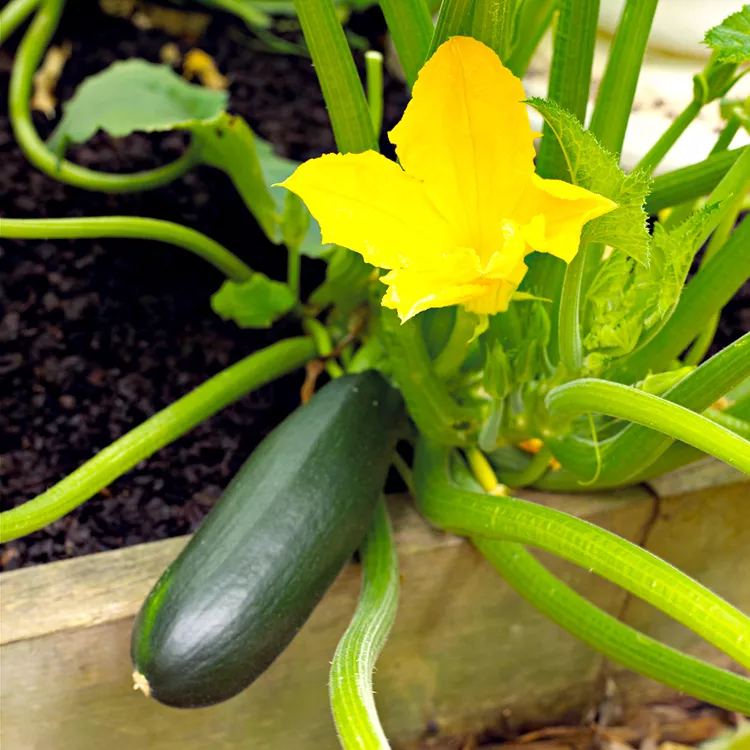
- More manageable harvest yields. If your kitchen has ever been overrun with a bumper crop of zucchini or tomatoes, you know the truth behind the saying “too much of a good thing.” But if you succession sow seeds, you can grow smaller plantings of food throughout the season and provide your kitchen with an ongoing supply of vegetable plants just when you need them.
- Flexibility. Pests and diseases can crop up in vegetable gardens without much warning. But if this occurs, you can simply pull out your damaged or unproductive crops and succession plant new vegetables in their place.
Succession Planting Steps
Every gardener has their own unique planting style and I’ve tried succession sowing in different ways throughout the years. Over that time, I’ve fine-tuned my succession planting techniques, enabling me to harvest crops from mid-spring through mid- to late fall in chilly New England (growers in warmer climates can extend their harvests even longer). Here's how I succession plant in my large vegetable bed and edible container gardens using these simple steps:
1. Start with cold-season crops.
I kick off the growing season off by planting my first crop of cold hardy vegetable seeds as soon as the soil is workable. This includes an early crop of radishes, as well as other root veggies and leafy greens that can be planted before my last frost date. To keep my kitchen from being overrun with too many crops at once, I only plant as many vegetables as I can use in a week or two.
2. Sow in 2-week intervals.
After about two weeks, I plant another row or two of cold hardy vegetable plants, which I know will mature about two weeks after I harvest my first crop of veggies. Depending on when I start planting seeds, I may succession sow another row or two of cold hardy plants before I transition to succession sowing heat-tolerant crops that won’t struggle when summer arrives.
3. Transition to warm season crops in summer.
During the summer months, I continue succession planting and harvesting heat-tolerant vegetables at 2 to 4 week intervals by planting a row or two of veggies at a time. Sometimes, I don’t succession sow during summer at all and I grow long season crops, like tomatoes, where I previously had succession planted my spring crops.
To avoid nutrient depletion, refresh your soil regularly with light top dressings of compost or an organic fertilizer between plantings.
4. Sow cold season crops again at the end of summer.
At the end of summer, I prepare for fall by switching back to succession sowing cold tolerant crops and I continue planting these hardy veggies through early fall. Before planting seeds, I doublecheck my seed packet instructions to make sure the edible plants I’m growing will have enough time to mature before the end of the season.
Essential Tips for Sowing Seeds in Succession
If you’re completely new to succession planting, you may not be ready to plan out your entire growing season just yet. These tips will help you find a planting rhythm and style that works for you and your garden as you go:
- Succession sow cold hardy crops in spring and fall, and heat-tolerant crops in summer. Or grow long season crops in summer and succession plant only in spring and fall.
- For a fall harvest, begin succession sowing cold hardy seeds at the end of summer.
- Succession planted seeds can usually be slipped in between rows of long season crops, but always follow proper plant spacing recommendations.
- Succession plant as many crops as your family can eat or preserve in a week or two and continue succession sowing at 2 to 4 week intervals.
- Grow succession planted seeds in rows or blocks of plants so they’re easier to keep track of in large culinary gardens and harvest when the time is right.
- Always follow seed packet instructions to ensure plants will have enough time to mature before the end of the season.
- Rotate succession planted crops throughout your garden to limit pest and disease spread.
- Succession sowing works best on fast-growing crops like leafy greens, legumes, and root vegetables.
- Succession sowing is less appropriate for long season crops like tomatoes, melons, pumpkins, potatoes, and peppers that take several months to mature or continue producing over a long span of time.
- Include early season, mid-season, and late season crop varieties in your succession planting cycle. For instance, early season potatoes are usually planted in spring and harvested in early summer, while late season potatoes are planted in early summer and harvested in fall.
- Harvest regularly and “edit” out diseased or unproductive plants to free up soil space.