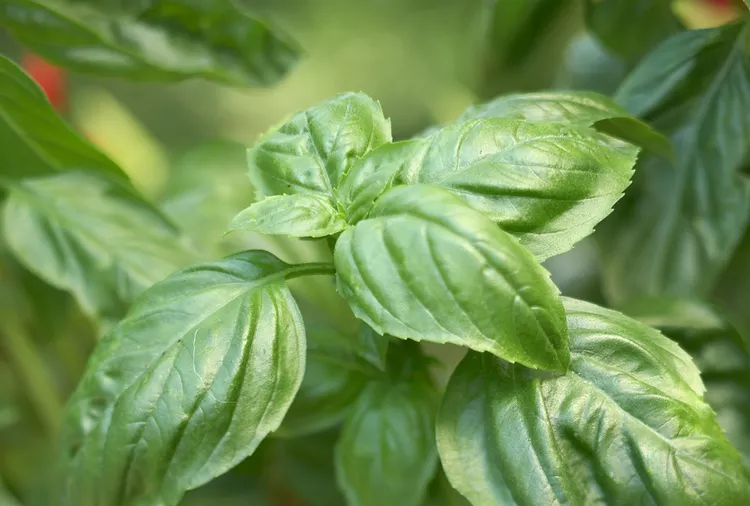
Is Basil a Perennial That Will Come Back Each Year?

30K
3K
809
2025-11-03
Is Basil a Perennial That Will Come Back Each Year?

Basil is a must-have herb if you love pesto and caprese salad, but basil plants aren’t as cold-hardy as other culinary herbs, such as oregano and sage. In most areas, basil grows as an annual, and the plants die at the first sign of frost. However, with a bit of know-how and a few gardening tricks, you can grow fresh basil all year round and have fresh herbs on hand for your favorite basil recipes.

Is Basil a Perennial? 

Most types of culinary basil are native to warm regions of Asia and Africa. They grow as perennial plants in USDA Zones 10–11. In cooler climates where frost occurs, culinary basils are grown as annual plants and don’t survive the winter. However, basil self-seeds if you allow the plants to flower.

Wild basil (Clinopodium vulgare) is a cold-tolerant plant that can survive in climates as chilly as Zone 4. It's used like culinary basil in recipes, although it has a milder flavor with hints of cilantro. Wild basil is only distantly related to culinary basil plants (Ocimum spp.), but if you want to overwinter basil outdoors in a cool area, try experimenting with this basil substitute.

How to Extend Your Basil Harvest

Because culinary basil doesn’t tolerate frost, these edible plants usually die back in early to midfall, as soon as temperatures begin to drop. However, you can shield your basil crop from the cold and extend the harvest by a few extra weeks:

  • Plant nursery starts or start basil seeds indoors. Pre-started basil plants may be more expensive than basil seeds, but they allow you to harvest basil leaves earlier in the season. If you’re struggling to grow a large basil harvest before autumn frost arrives, start your herb garden off in spring with larger plants.
  • Harvest often. Picking basil leaves throughout the growing season encourages the plants to branch out and sprout more leaves. Beyond that, pinching back basil regularly also keeps the plants from flowering, which causes basil plants to produce fewer leaves.
  • Use season extension products. While basil doesn’t handle frost well, if the forecast is for a light frost, you may be able to protect your basil plants with season extenders and prolong the harvest by a few more days or weeks. Floating row covers, cloches, or overturned milk jugs shield plants from mild frost and keep them growing strong.

How to Grow Basil Year-Round

Most gardeners plant basil in spring and harvest the crop throughout the summer. However, if you want to extend the harvesting window and grow basil all year round, grow basil indoors and harvest fresh leaves from the plants throughout the winter months. When properly maintained, basil plants usually last about a year indoors, but they can sometimes live up to four years.

Indoor basil plants can be started from seed, stem cuttings, or nursery starts. Basil plants purchased at the grocery store usually won’t last long indoors as these plants are often root-bound and overcrowded. However, you can take cuttings from grocery store herbs and propagate them into new plants for your indoor herb gardens.

One of the great things about basil is that it thrives in pots, and you can keep a pot or two of basil on your windowsill or in a sunny corner of your kitchen and harvest leaves just as you need them for recipes. Basil plants grow best in pots that are at least 8 to 10 inches wide. Also, ensure that any container you grow basil in has plenty of drainage holes at the bottom to prevent soggy soil.

When you’re ready to plant indoor basil, choose a nutrient-rich potting mix and position started plants in the mix to the same depth they were growing in their nursery pots. If placing more than one plant in a container, space them at least 8 inches apart for a fuller look or 12 or more inches apart to allow better air circulation.

If starting plants from seed, sow the basil seeds 1/8 inch deep and thin them to 3 to 4 inches apart after they germinate.

Indoor basil needs plenty of bright light and regular watering to grow properly. If you have a sunny windowsill that receives at least 6 to 8 hours of bright light daily, that’s a great place to locate basil. Alternatively, you can pick up a grow light to ensure your herb receives the light it needs.

How to Preserve Fresh Basil

While basil is a relatively easy herb to grow indoors, if you don’t want to maintain an indoor herb garden throughout the year, harvest your entire basil crop in late summer to early fall and preserve the leaves for future cooking. Basil leaves can be frozen whole, or you can chop them and freeze them in ice cube trays. Basil also dries beautifully, and you can keep the dried leaves in your spice cabinet.

Before freezing basil, blanch the fresh leaves for 30 seconds to preserve the leaves’ texture and color. Then, pat the leaves dry and flash-freeze them before storing them in airtight packaging in your freezer.

When drying basil, it’s best to dry leaves quickly with a dehydrator, microwave, or oven on the lowest setting. Hang-drying basil is not recommended, as fresh basil can discolor when it dries slowly.

Replanting Basil in Spring

Outdoor annual basil plants often self-sow if you don’t pinch back their flowers, so you may find that new basil plants sprout on their own in your garden every spring. However, basil seeds don’t always germinate, which is why many gardeners take matters into their own hands and plant basil annually.

Basil seeds can be started indoors or outdoors in spring, or you can plant new nursery-started basil plants outdoors after the danger of frost has passed. Planting a new crop of basil every year is the best way to ensure you always have fresh basil on hand, no matter the season.

Repotting Basil

Repotting will give your basil plant room to grow out its roots and absorb nutrients. Around midsummer, you can divide the plant into smaller sections and place them into multiple containers if necessary. However, try to maintain the same soil around the roots when transplanting and backfill around the rootball with fresh potting mix. Water it to settle the plant into its new home. When the plant is established, prune it to stimulate new growth.

Frequently Asked Questions

  • How often should you water the basil in your culinary gardens?

    Basil likes regular watering, but it should never be allowed to sit in soggy soil. A good rule of thumb is to water basil when the top 1 inch of soil feels dry.

  • Can you refrigerate fresh basil?

    Fresh basil does better at room temperature. Cover the leaves loosely with a plastic bag and plan to use it soon. Putting basil in the refrigerator can turn the leaves dark.

  • Is it best to chop basil with a knife or tear it with your hands?

    Cutting basil leaves with a knife releases much of the essential oil that gives it flavor. Instead, tear the leaves with your hands to preserve the color of the leaves, essential oils, and texture.

  • What are the best companion plants for basil?

    Basil pairs well with tomatoes, dill, chives, and peppers. However, avoid planting it near sage, thyme, fennel, and cucumbers, which require very different growing conditions.

  • Will basil attract anything to the garden?

    Basil will attract bees, butterflies, and other beneficial insects to your herb gardens. Unfortunately, it might also attract Japanese beetles, slugs, and aphids. Unlike most herbs, parsley does suffer from deer browsing. To keep deer and rabbits at bay, plant parsley outdoors among other strongly-scented herbs that these critters avoid.

Related Article

How to Prune 12 Common Types of Evergreen Shrubs and Trees
24.3K
1.9K
388

How to Prune 12 Common Types of Evergreen Shrubs and Trees

Use these tips on pruning evergreens like boxwood, yews, and junipers so they don't become overgrown messes.
Expert Tips for Growing and Designing With Beautiful Boxwood
11K
219
72

Expert Tips for Growing and Designing With Beautiful Boxwood

With our boxwood garden ideas, you'll create durable changes to your landscaping. Boxwoods, a type of evergreen, are an elegant addition to a formal garden. Learn how to care for boxwood, so that your boxwood garden thrives.
How to Plant and Grow Eucalyptus
5.9K
410
168

How to Plant and Grow Eucalyptus

Learn to grow eucalyptus with our complete guide. Eucalyptus varieties are known for their potent essential oils and heady fragrance.
6 Surprising Benefits of Planting Trees
10.9K
218
80

6 Surprising Benefits of Planting Trees

Learn how planting trees can transform your environment and improve your quality of life.
This Bold Woodland Garden Plan Brims with Color and Texture
30.1K
301
75

This Bold Woodland Garden Plan Brims with Color and Texture

Filled with easy-care plants, this bold woodland garden plan design is perfect for livening up a spot under a tree's canopy.
This No-Fuss Shade Garden Plan Is Your Fix for Bare Spots Under Trees
25.4K
507
187

This No-Fuss Shade Garden Plan Is Your Fix for Bare Spots Under Trees

Featuring a mix of easy-care plants, this no-fuss shade garden plan is the perfect way to add color to a shaded spot in your yard.
This Cozy Corner Garden Plan Will Brighten Up an Unused Spot in Your Yard
35.3K
1.8K
212

This Cozy Corner Garden Plan Will Brighten Up an Unused Spot in Your Yard

This cozy corner garden plan will create a pocket of color in the unused spots in your yard.
How to Plant and Grow Pineapple Sage
42K
2.9K
853

How to Plant and Grow Pineapple Sage

Read this guide to learn how to plant and grow pineapple sage in herb gardens or pollinator habitats!
Got Yellow Leaves on Tomato Plants? 9 Reasons Why and How to Fix It
1.2K
106
24

Got Yellow Leaves on Tomato Plants? 9 Reasons Why and How to Fix It

If you see yellow leaves on tomato plants, here's how to diagnose and fix the problem.
10 Best Companion Plants for Zucchini
8.7K
521
224

10 Best Companion Plants for Zucchini

Keep your zucchini plants healthy and naturally pest-free with these top companion plants that include veggies, flowers, and herbs.
How to Create Beautiful Tropical Planters and Container Gardens
39.4K
788
275

How to Create Beautiful Tropical Planters and Container Gardens

Bring the bold, graphic foliage of plants from the tropics to your home with one of our nine favorite tropical container combinations.
How to Grow and Care for Cordyline Plants in Your Garden or Home
27.5K
1.4K
247

How to Grow and Care for Cordyline Plants in Your Garden or Home

Learn how to plant and care for cordyline to add a tropical feel to your garden or home, including watering, light, and soil requirements.
How to Plant and Care for a String of Pearls Plant
38.3K
3.4K
379

How to Plant and Care for a String of Pearls Plant

Find out how to propagate, water, and take care of a string of pearls plant.
10 Smart Money-Saving Strategies When Shopping for Plants
2.7K
215
98

10 Smart Money-Saving Strategies When Shopping for Plants

From purchasing seeds instead of full grown plants to shopping seasonally and at local sales, here are some of the best ways to reduce costs when buying plants. Purchasing plants from local farms and looking for plants that can be divided are some of the other ways experts suggest reducing your plant spending.
18 Essential Elements of Authentic Japanese Garden Design
44.1K
3.5K
1.4K

18 Essential Elements of Authentic Japanese Garden Design

These Japanese garden designs are relaxing and serene. Try our Japanese garden ideas for a peaceful ambiance in your backyard.
How to Make a DIY Hummingbird Feeder with a Mason Jar
16.9K
1.5K
364

How to Make a DIY Hummingbird Feeder with a Mason Jar

Attract hummingbirds with this easy mason jar hummingbird feeder project that comes together in just a few steps.
The 10 Best Low-Maintenance Perennials for Southern Gardens
8.7K
693
339

The 10 Best Low-Maintenance Perennials for Southern Gardens

The best perennials for southern gardens are low-maintenance and a cinch to grow.
How to Make Easy Concrete Planters for Your Garden
33.1K
3K
297

How to Make Easy Concrete Planters for Your Garden

DIY concrete planters are simple to make with this step-by-step guide. Plus get design ideas and tips for using your new planters.
25 Outdoor Succulent Container Ideas that Resist Heat and Drought
16.3K
1.3K
611

25 Outdoor Succulent Container Ideas that Resist Heat and Drought

These outdoor succulent container ideas feature not only dramatic arrangements, but resistance to heat and drought.
How to Make an Adorable Broken Pot Fairy Garden in 4 Easy Steps
32.1K
2.6K
974

How to Make an Adorable Broken Pot Fairy Garden in 4 Easy Steps

A broken pot fairy garden is a great solution for using up damaged garden pots. Make use of a cracked terra-cotta pot by transforming it into a sweet fairy garden container overflowing with moss and a variety of succulents.